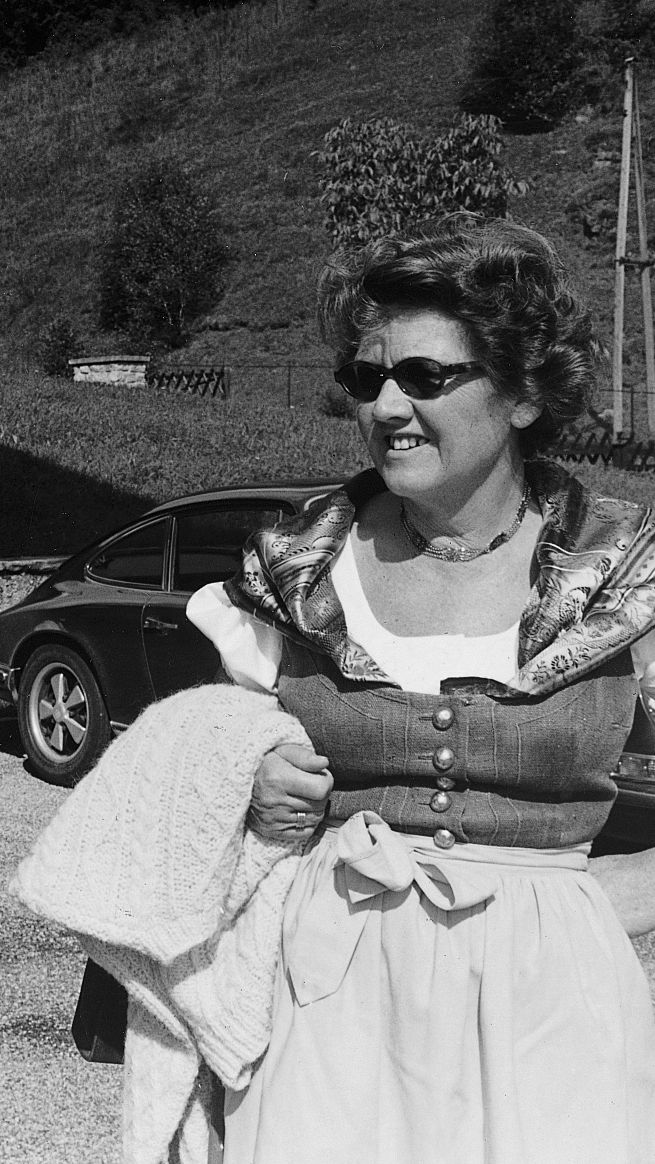
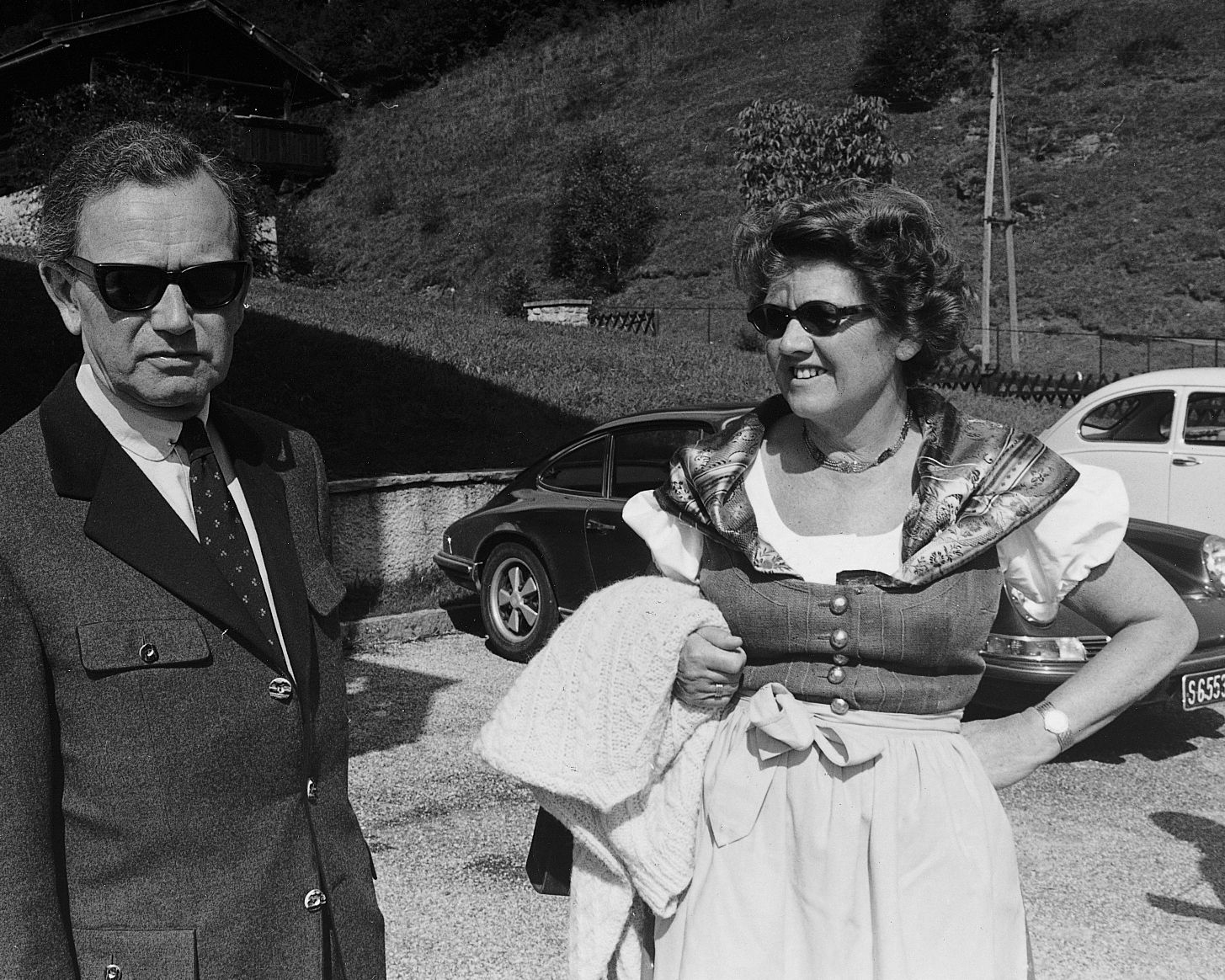
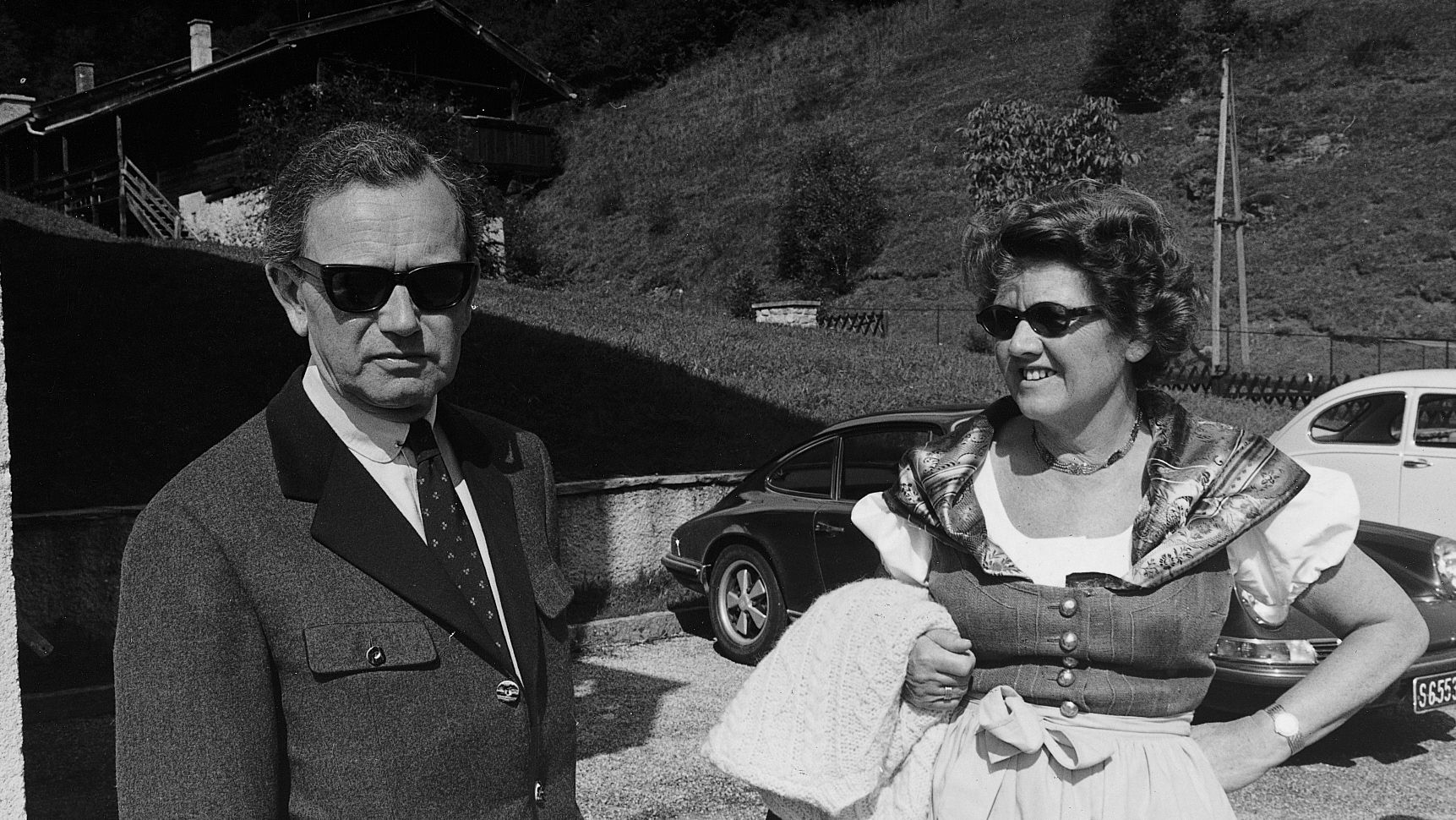
Louise Piëch & Ferry Porsche
1945 to 1970
After the end of the Second World War, Louise Piëch and Ferry Porsche laid the foundations for two family branches of the company, which subsequently developed successfully into what are now Porsche Holding in Salzburg and Porsche AG in Stuttgart. After the war, they consolidated their father's legacy by founding the Porsche Konstruktionen GesmbH. This was followed by the creation of the Porsche brand and an innovative agreement with Volkswagen, which, among other things, allowed VW imports to start in Austria.
1945
The second generation enters work
Porsche's design office moved to Gmünd in Carinthia during World War II. After the end of the war, Ferry Porsche and his team worked there and in the workshop in Zell am See, manufacturing winches and tractors and repairing old military vehicles.
1947
See funda Porsche Construction GesmbH
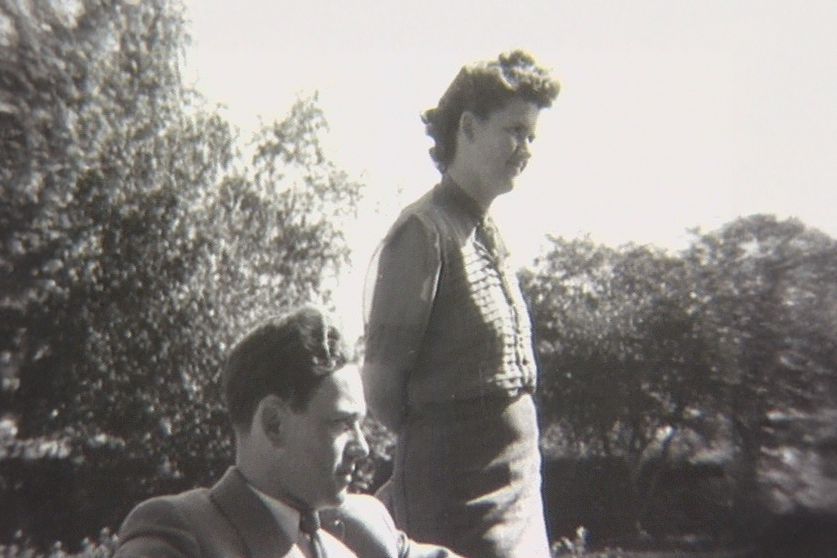
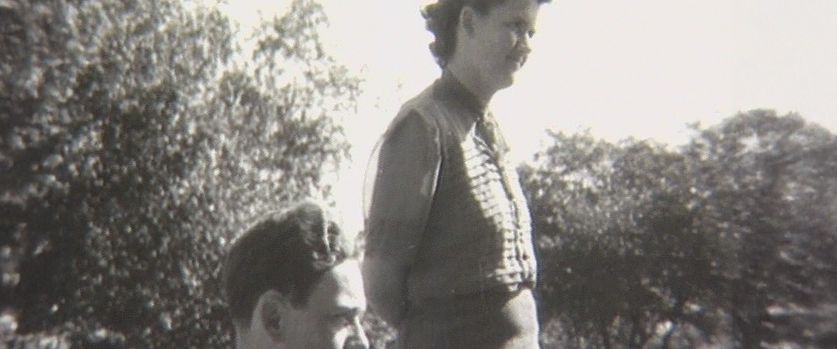
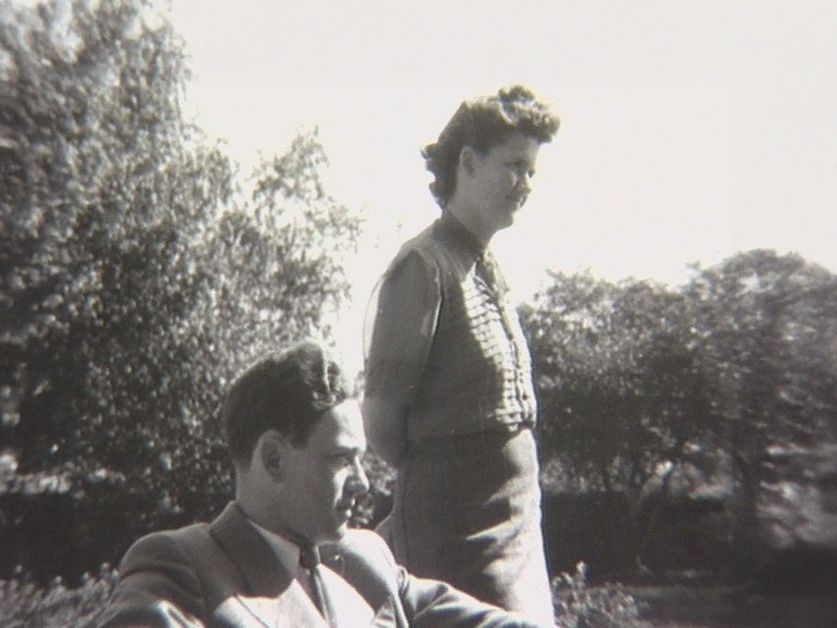
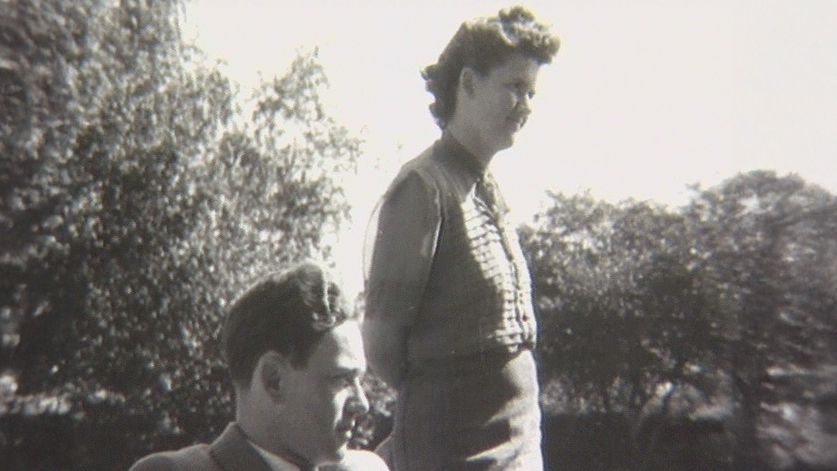
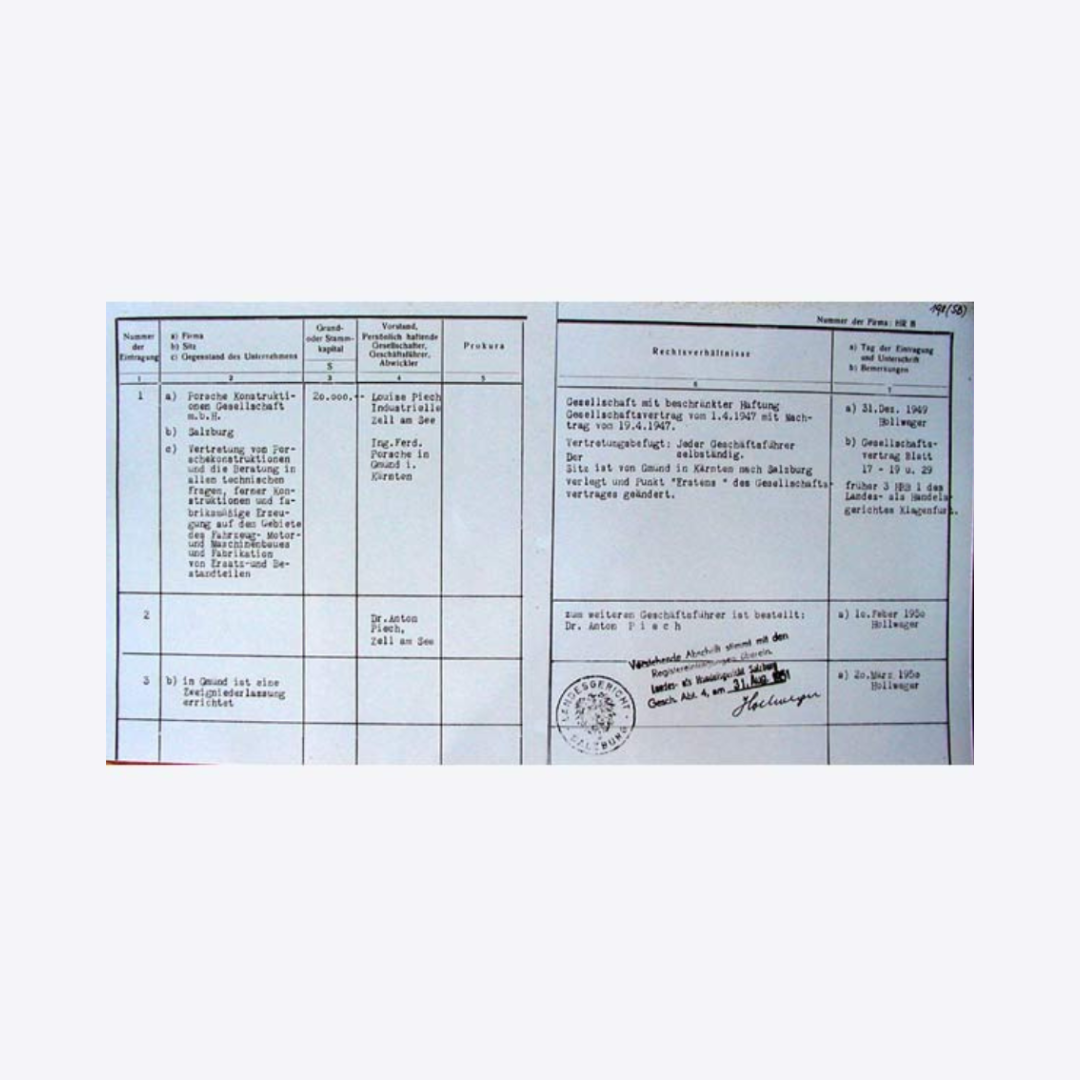
The siblings Louise Piëch and Ferry Porsche founded the Austrian company Porsche Konstruktionen GesmbH in Gmünd on 1 April 1947 and are directors themselves. His father was still in France. Soon after, the company, now based in Austria, was commissioned by Italian industrialist Piero Dusio to build an all-wheel-drive Formula 1 race car. For economic reasons, the "Cisitalia" finally never participated in a race; however, the proceeds from this contract were sufficient for Louise Piëch and Ferry Porsche to secure their father's return home.
)
1948
Momentous decisions for Porsche and Volkswagen.
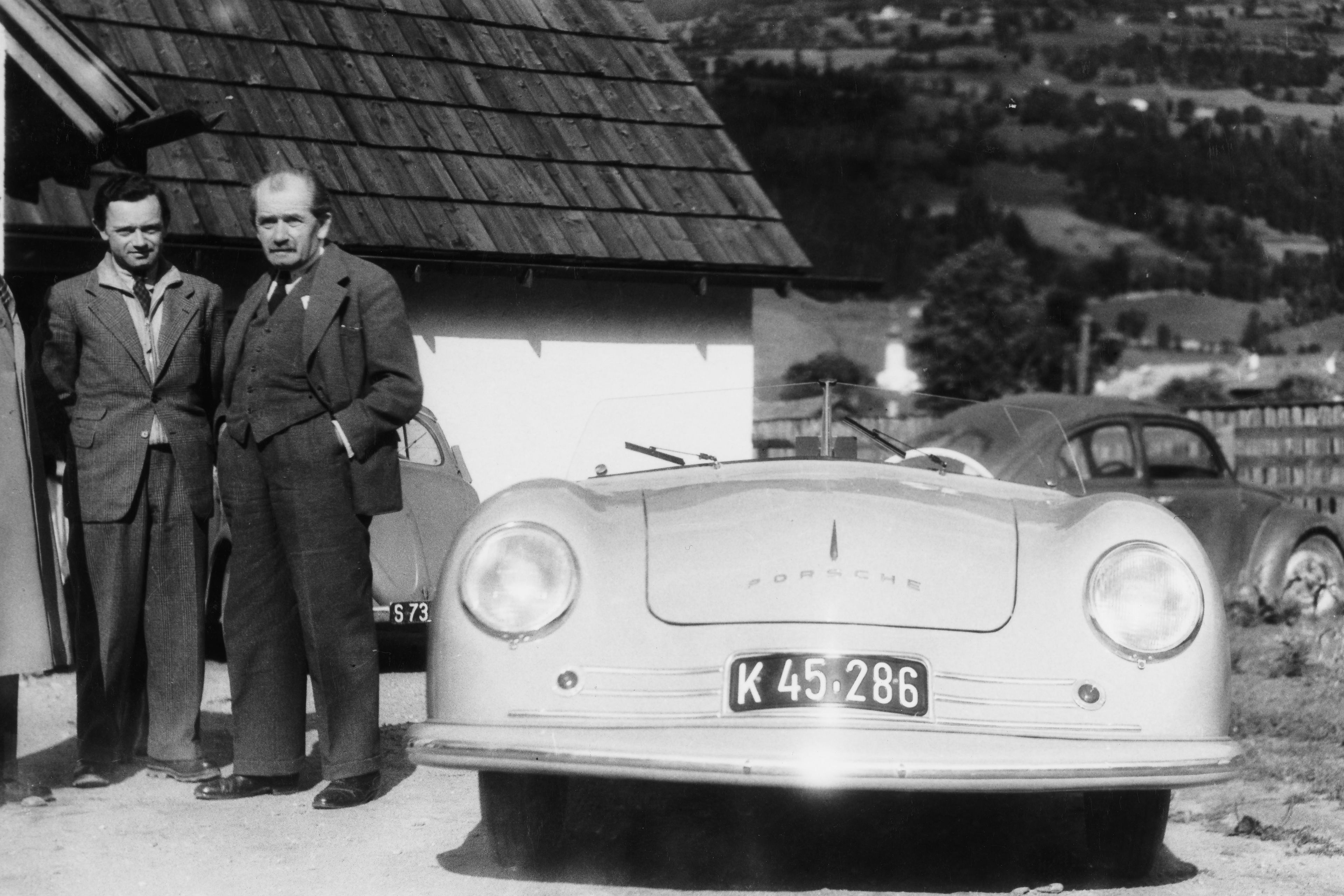
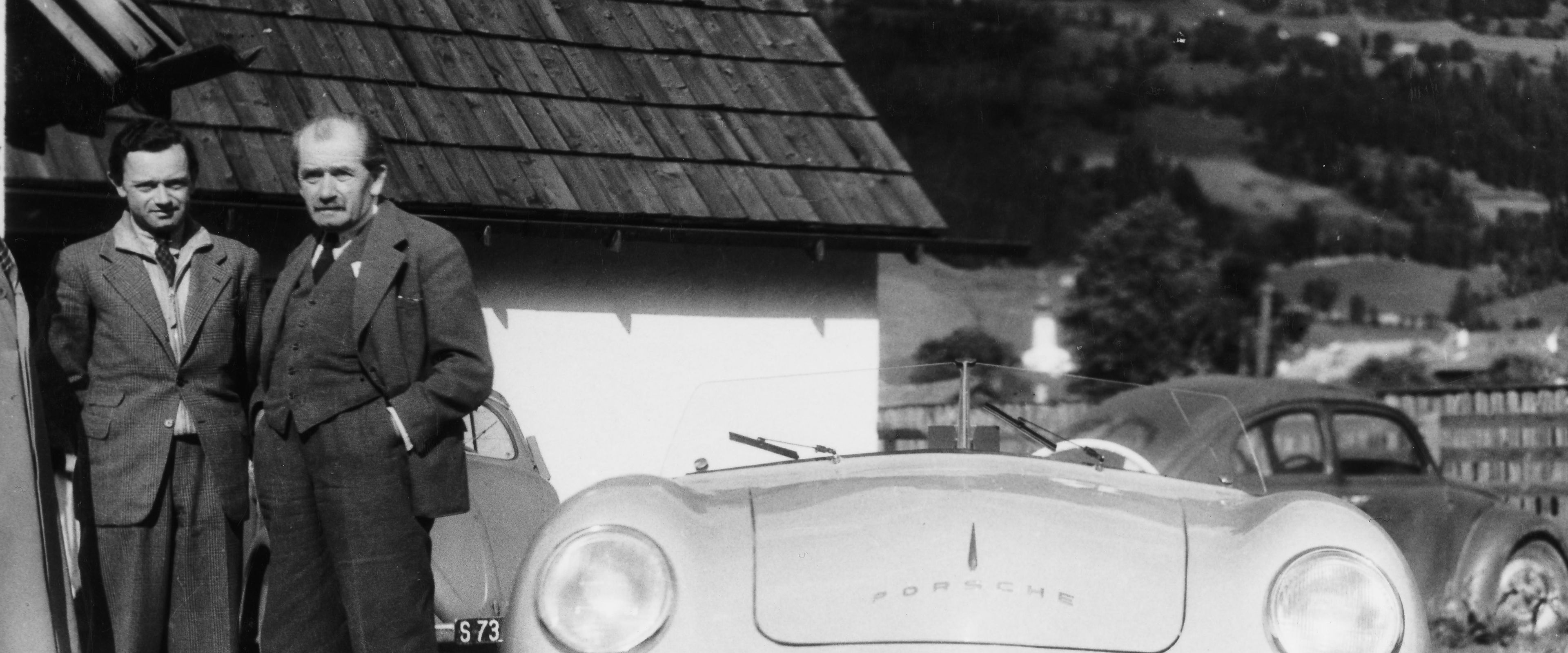
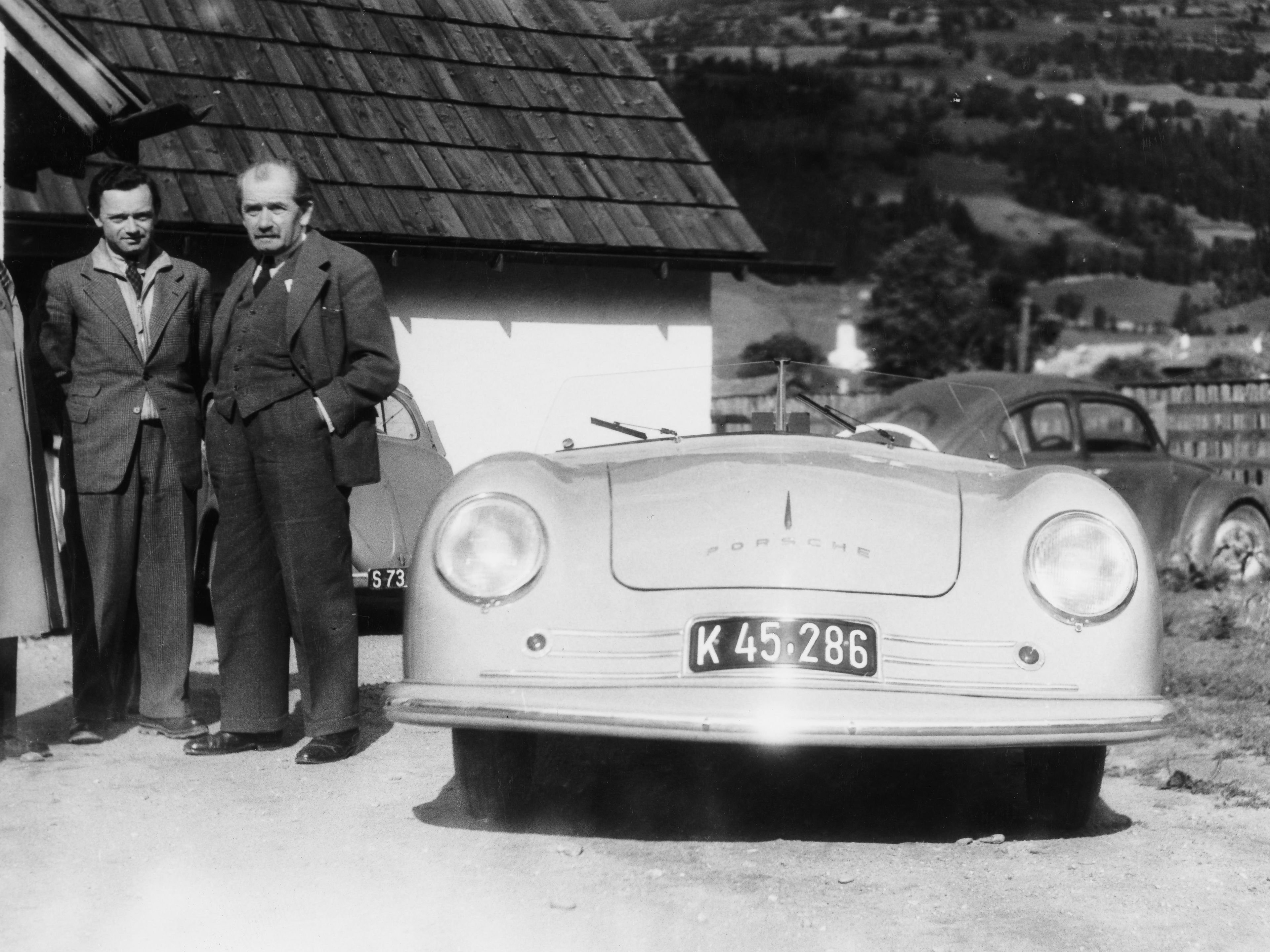
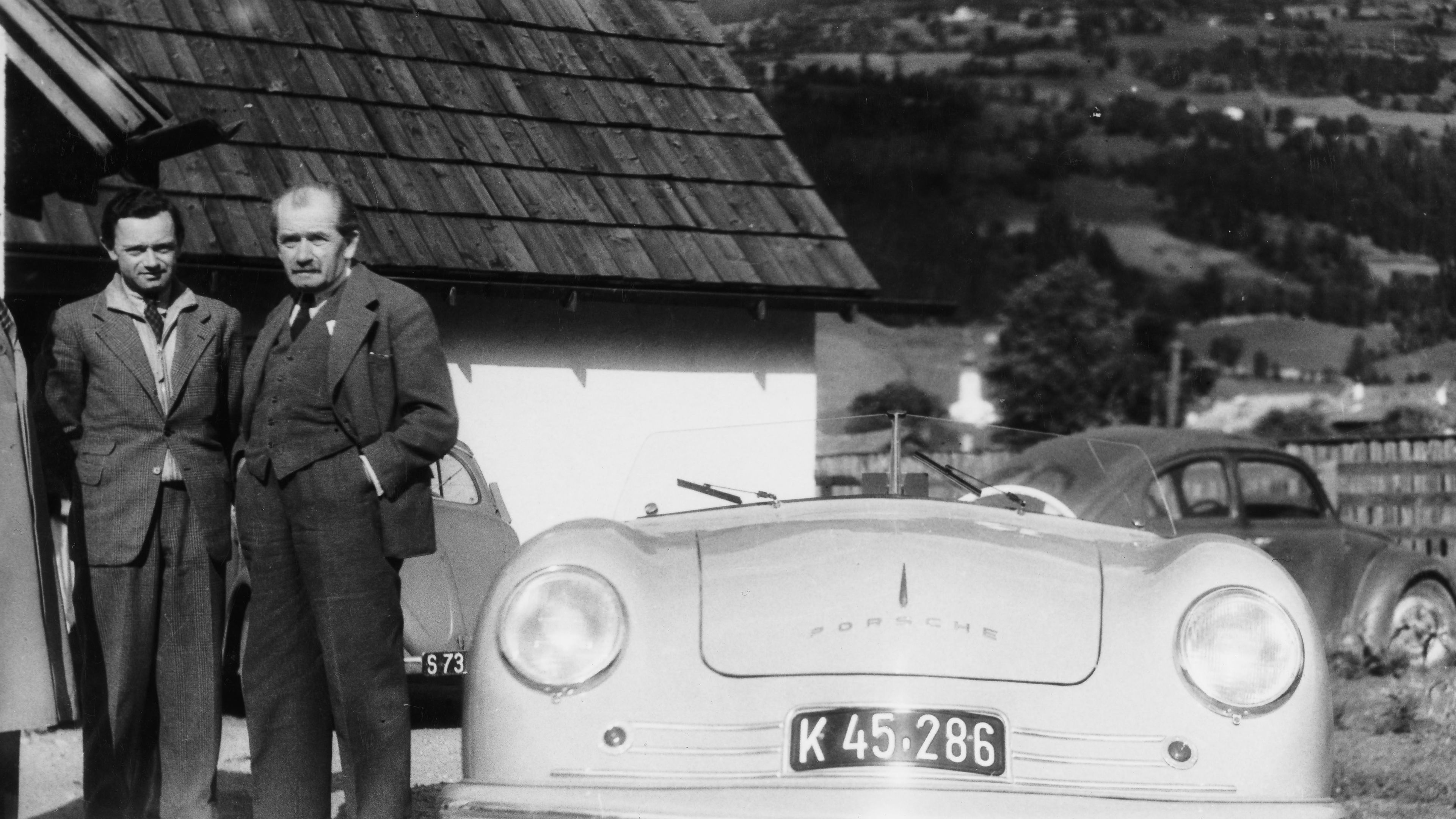
The first Porsche: Ferry Porsche fulfilled a long-cherished dream in 1948 in the Malta Valley of Carinthia by developing the first sports car under the Porsche name. It was based on the Volkswagen Beetle. The vehicle, presented under the design number 356, cemented the reputation of the Porsche brand, which would later become a legend. The No. 1 vehicle still used a mid-engine, while the later coupés, hand-built in Gmünd, already had a rear engine. Around a dozen Porsche 356 cabriolets were made in the Salzburg workshops on Alpenstraße.
However, the most momentous decision in the company's history was made 1,000 kilometers further north, when the allies decided to start manufacturing Volkswagen in the brand's newly rebuilt factory. Porsche engineers were in high demand to support the commissioning. At the same time, Ferry Porsche was entering into contract negotiations with Volkswagen's new CEO, Heinrich Nordhoff. The most important parts of the contract were licensing rights for each Beetle manufactured, approval to build a sports car based on the Beetle (the Porsche 356) and sales through what would later become VW's worldwide network, agreements for technical services from the Porsche design company and, finally, the authorisation to act as Volkswagen's general importer in Austria. This extensive contract was signed in Bad Reichenhall by Ferdinand Porsche, Ferry Porsche, Louise Piëch and Anton Piëch and by VW CEO Heinrich Nordhoff. The design of Father Ferdinand Porsche's VW Beetle thus became the basis for the great success that Porsche later achieved in Salzburg and Stuttgart. On 7 September 1948, the district administration of Spittal an der Drau granted a business licence for "the trade in commercial vehicles and spare parts, limited to products manufactured at the Wolfsburg engine factory (later Volkswagen factory)" in the name of engineer Ferdinand Porsche.
1949
The automotive business begins to take off in Salzburg.
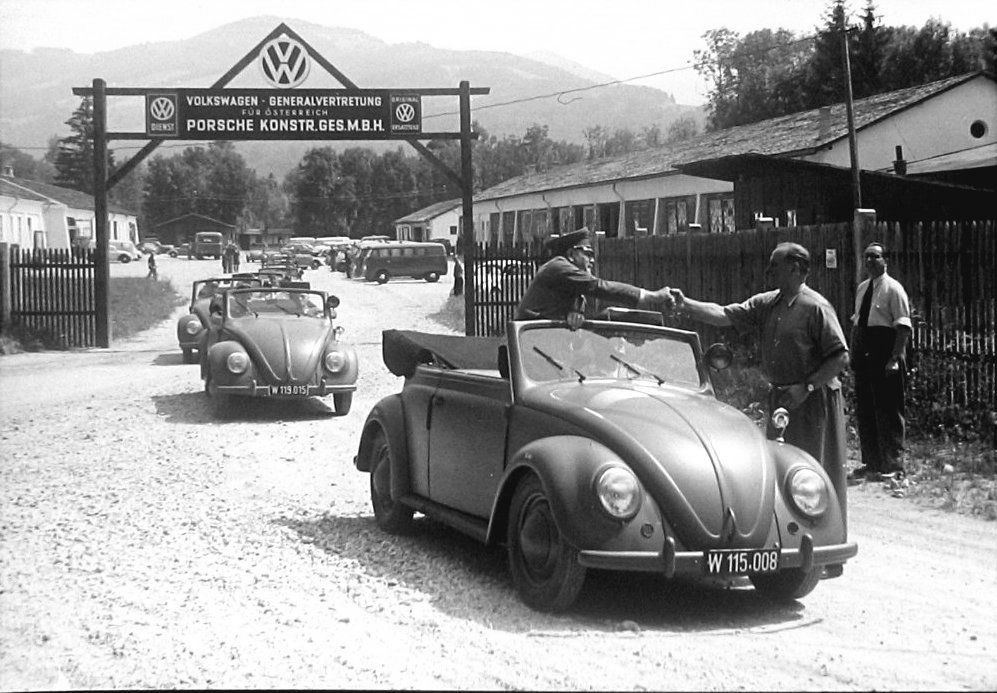
In 1949, siblings Louise Piëch and Ferry Porsche moved the headquarters of Porsche Konstruktionen GesmbH from Gmünd to Alpenstraße in Salzburg. While Louise and her husband Anton Piëch (whom she had married in 1928) were driving the development of Volkswagen's imports to Austria in Salzburg, Ferry Porsche returned to Stuttgart. There he laid the foundations for sports car production in 1950 and thus for today's Porsche AG. The two Porsche companies, in Stuttgart and Salzburg, always remained under the joint ownership of siblings Louise and Ferry, and shared common roots before becoming independent companies.
1950
Starting as a Volkswagen importer in Salzburg
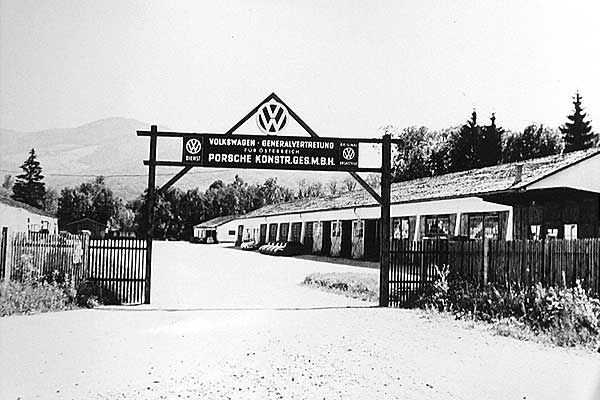
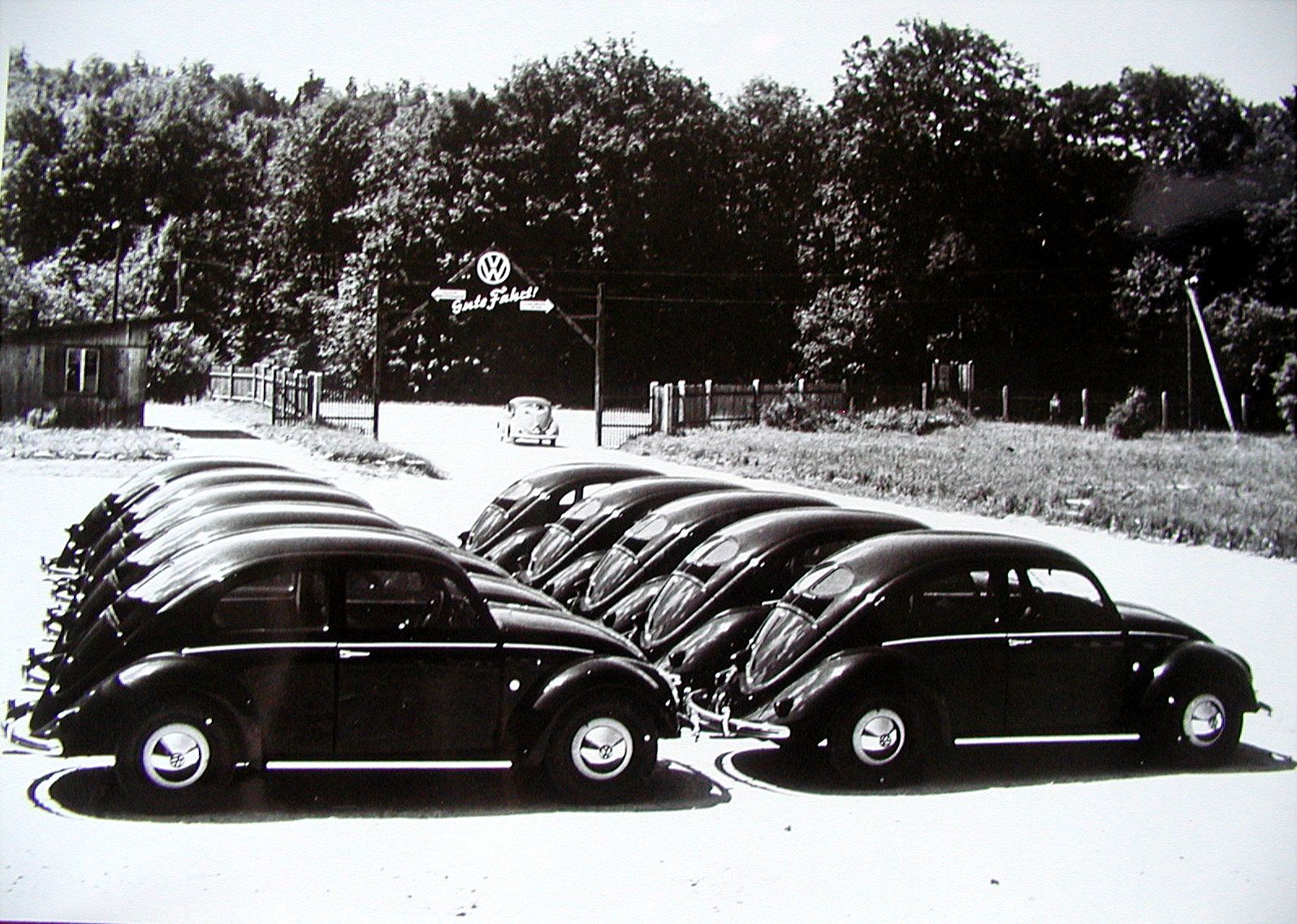
In May 1949, vehicle importation in Salzburg finally took off with the arrival of the first 14 Volkswagen Beetles. From 1950, Anton Piëch formally took over the management of Porsche Konstruktionen GesmbH, a company that in the same year optimised the supply to its customers by building a central spare parts warehouse. This represented an important step in the company's strategy to transform from an exclusively importing company into a large service provider.
1951
Farewell to Ferdinand Porsche
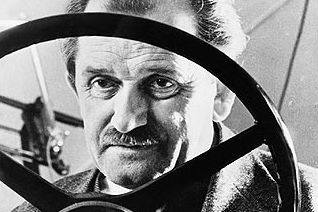
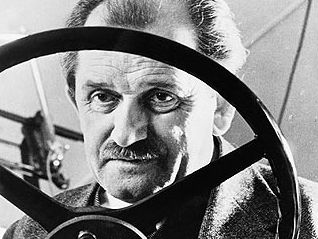
Ferdinand Porsche did not get to see the initial phase of the new family businesses. The professor died in Stuttgart on January 30, 1951 at the age of 75.
1952
Louise Piëch takes over after a second stroke of fate.
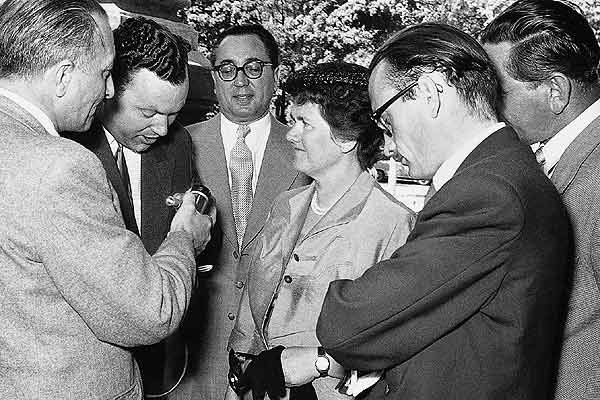
A year after his father's death, the family suffered another setback. Anton Piëch also died unexpectedly in 1952. Louise Piëch therefore took the reins of the young Salzburg-based company that same year. At that time, it had 71 employees and three locations: the Alpenstraße plant, the Gmünd branch and the Zell am See facility. The mother of four forged the future of Porsche Salzburg through her unmistakable charisma and strong leadership, guiding the growing company with great prudence and entrepreneurial acumen.
1953
Sales figures skyrocket
With the liberalization of vehicle imports from the autumn of 1953, which led to a rapid increase in sales of Beetles (from 798 units in 1952 to 2675 in 1953), the company's great boom began. Louise Piëch managed to establish a distribution network of Volkswagen throughout Austria and Porsche sports car dealerships, and in just one year she achieved market leadership for the first time for the Volkswagen brand (with 5218 cars sold and a market share of 25.1%), a position that the company has not relinquished since 1957.
1950 – 1960
The great boom
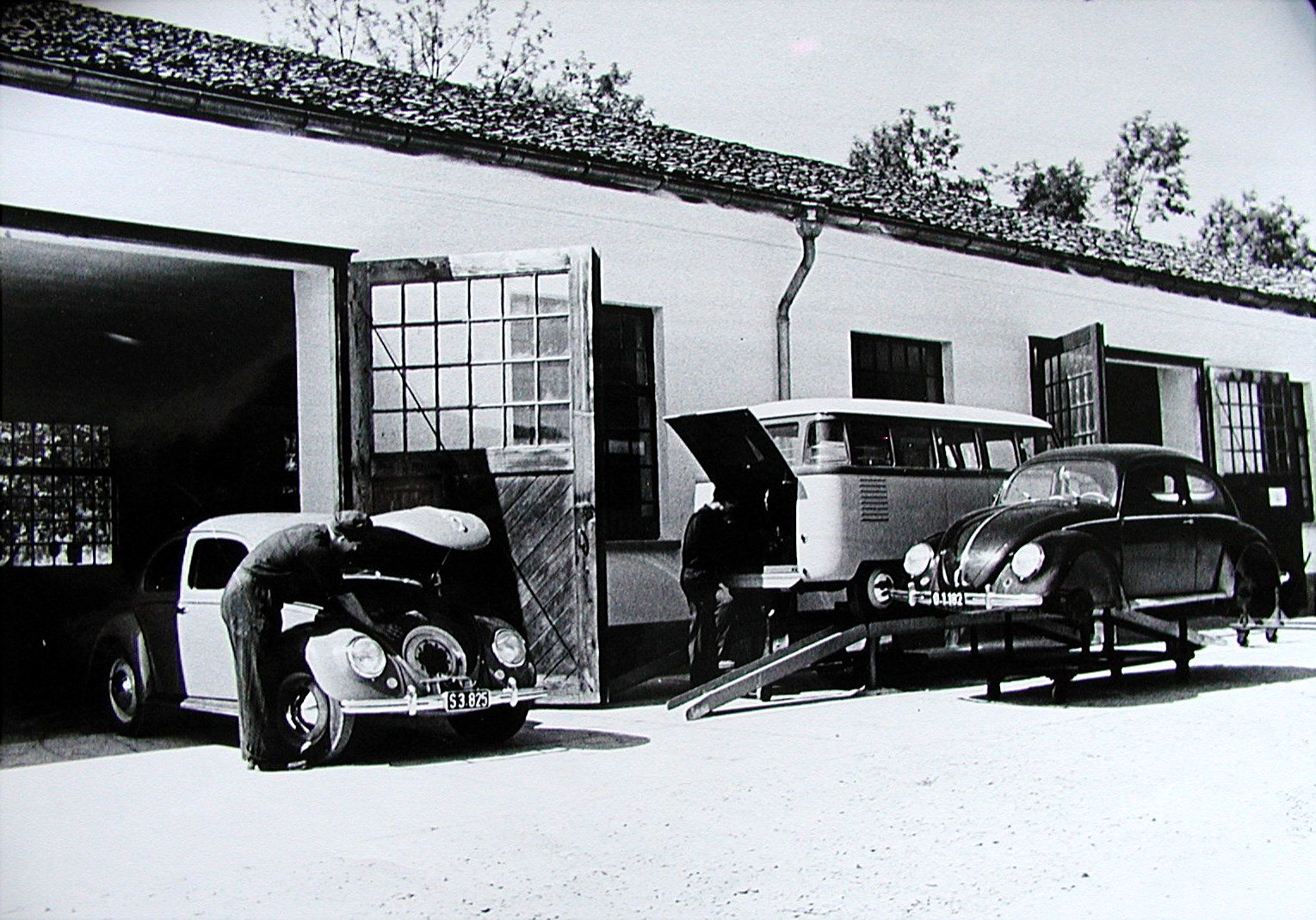
With the increase in the number of imported units, Porsche also grew as a whole. The retail division, for example – later Porsche Inter Auto (PIA) – was conceived in the early 1950s and became increasingly consolidated during the 1960s. Alpenstraße in Salzburg served as a starting point, and over the years, branches sprang up in Wiener Neustadt (run by Ernst Piëch, an engineer and eldest son of Louise Piëch), Zell am See, Kapfenberg, and many other places.
1956
Promotion sign
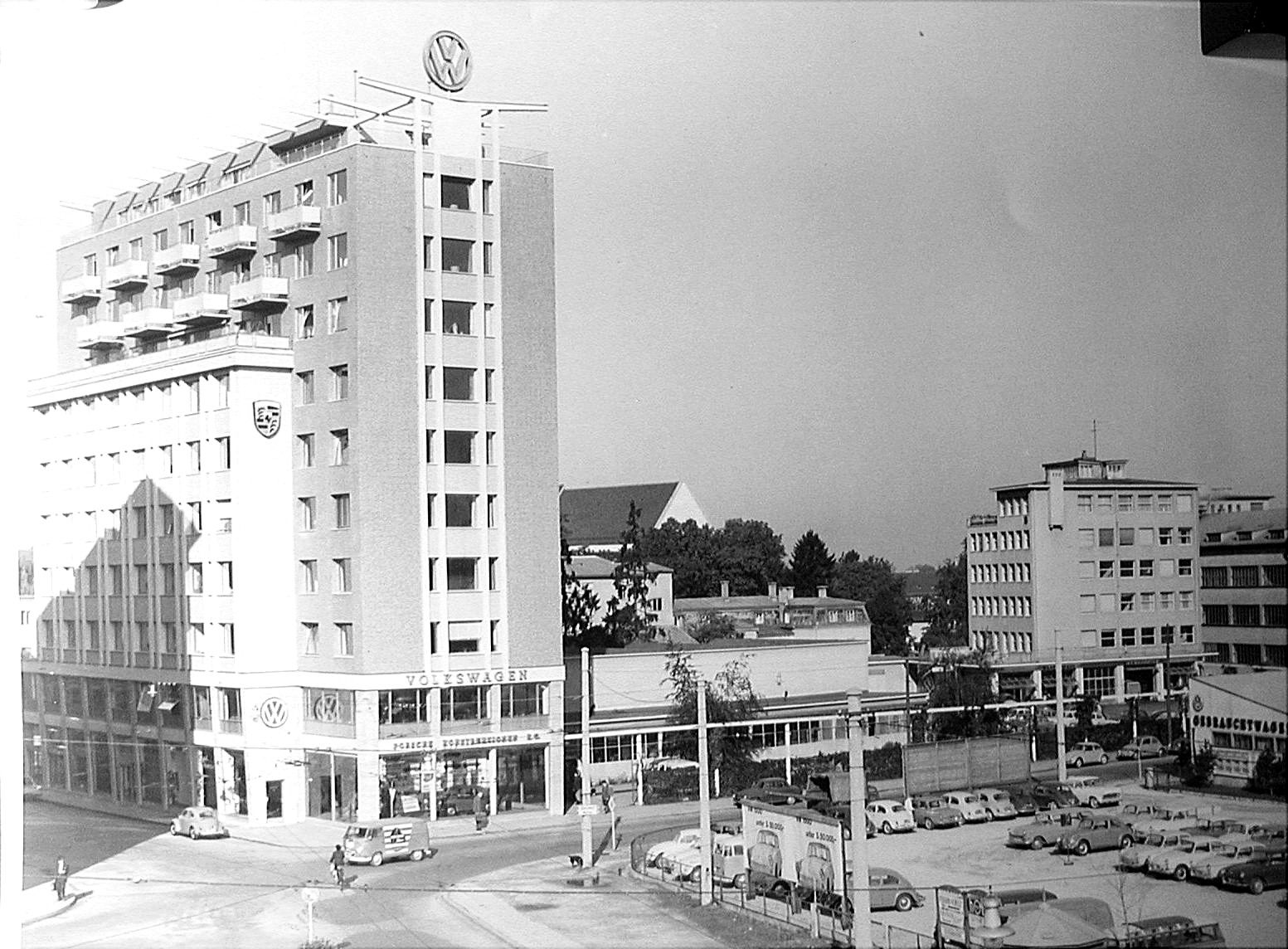
In 1956 the workshop was opened at the train station, next to the new customer service building, which was named "Porsche I" and later nicknamed "the blue building". In 1962 Porsche II was built on Fanny-von-Lehnert Street, and with its blue Volkswagen emblem on the roof, it clearly indicated where Volkswagen could be found in Salzburg.
1962
On the road to success with new ideas.
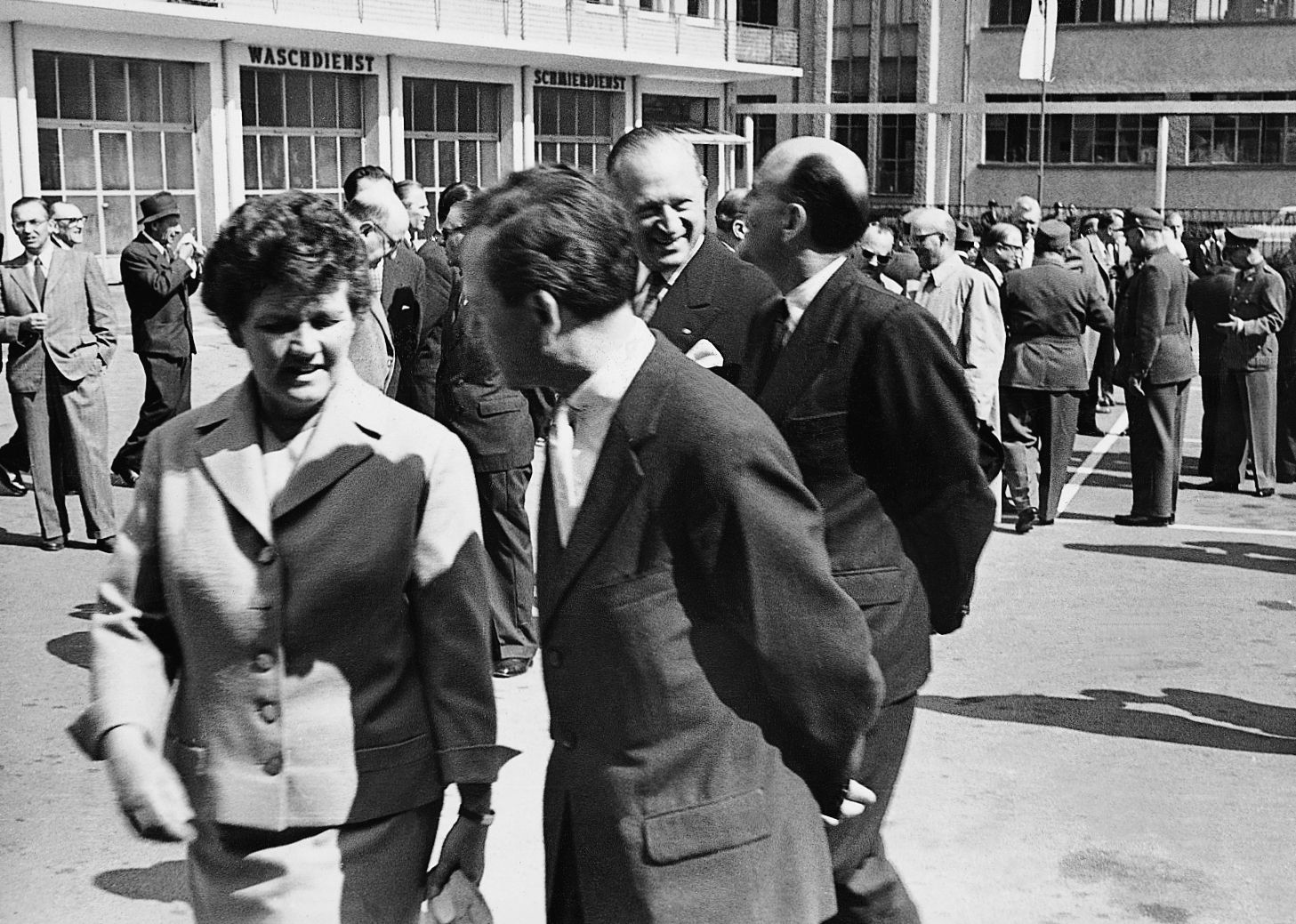
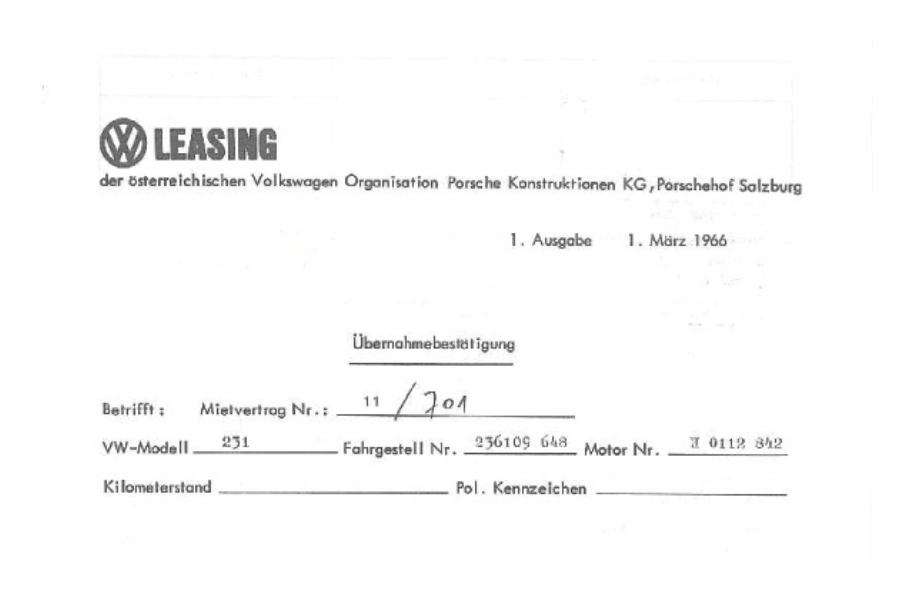
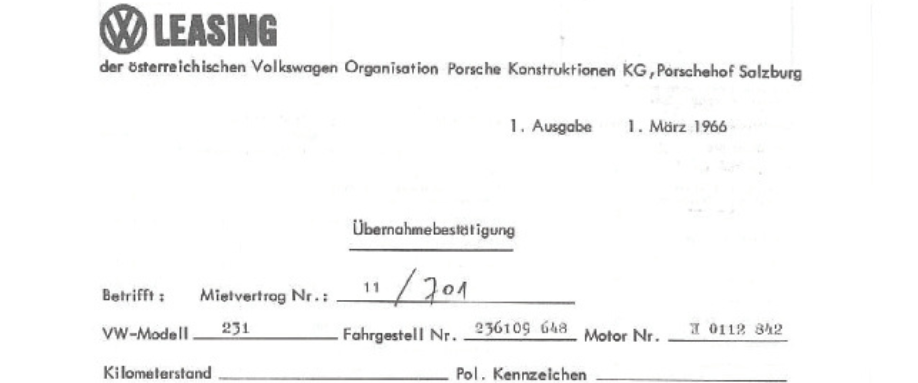
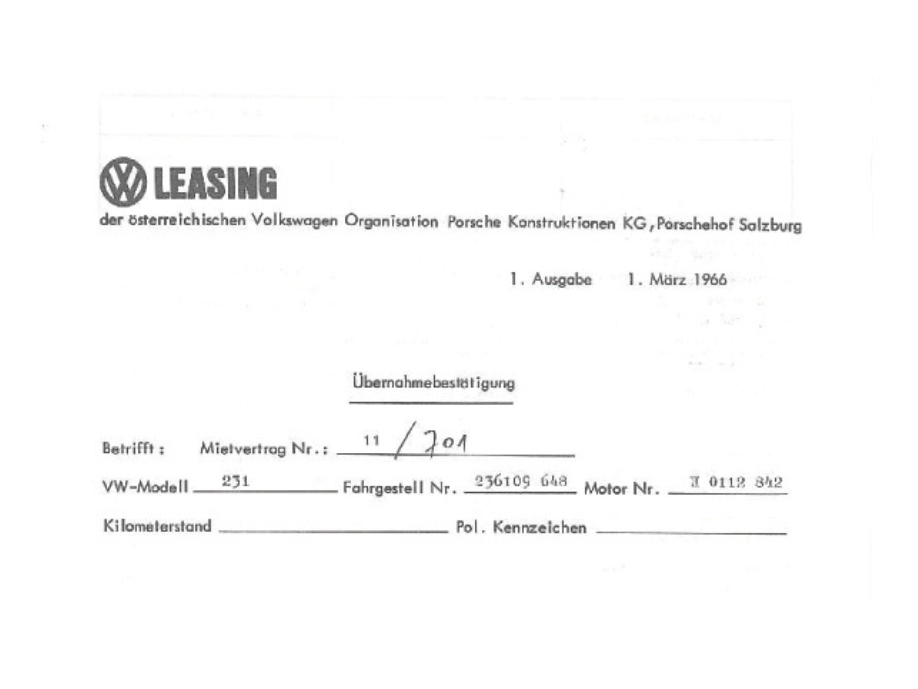
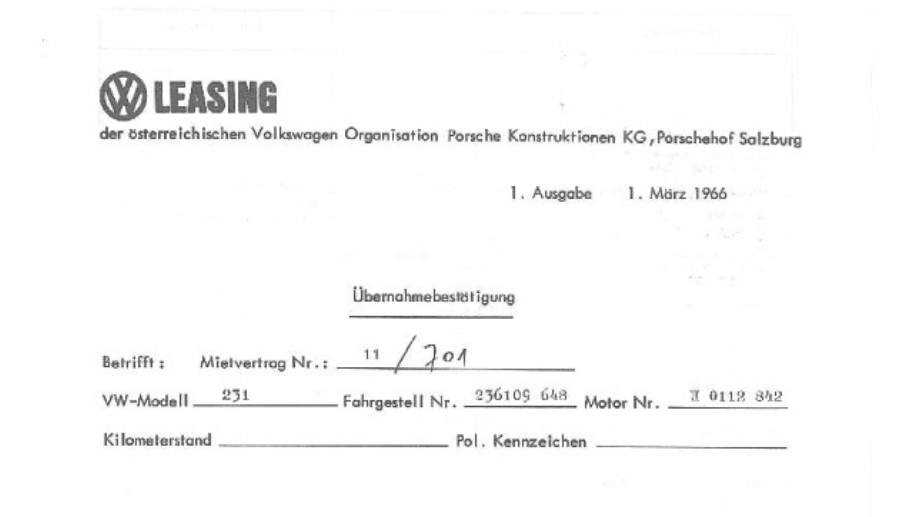
The company laid the foundation for what is now Porsche Holding Salzburg by expanding its range of automotive-related services. Porsche began to boost its operations in the service sector from an early stage with the introduction of the car rental service in 1962 and the leasing business in 1966. Ingenious advertising campaigns helped the VW Beetle set new sales records despite its advanced age.
1965
Motorsport success and first Le Mans victory
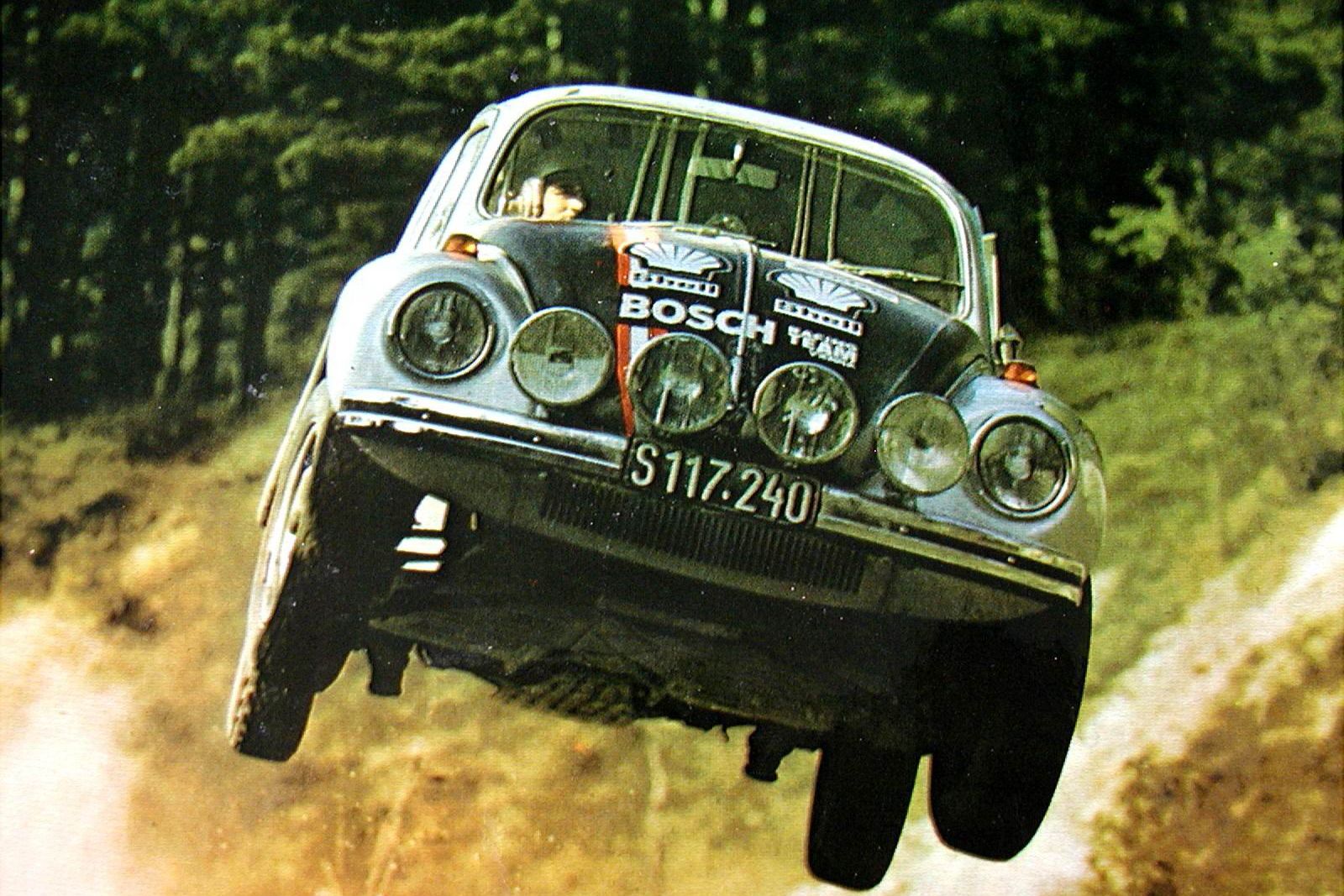
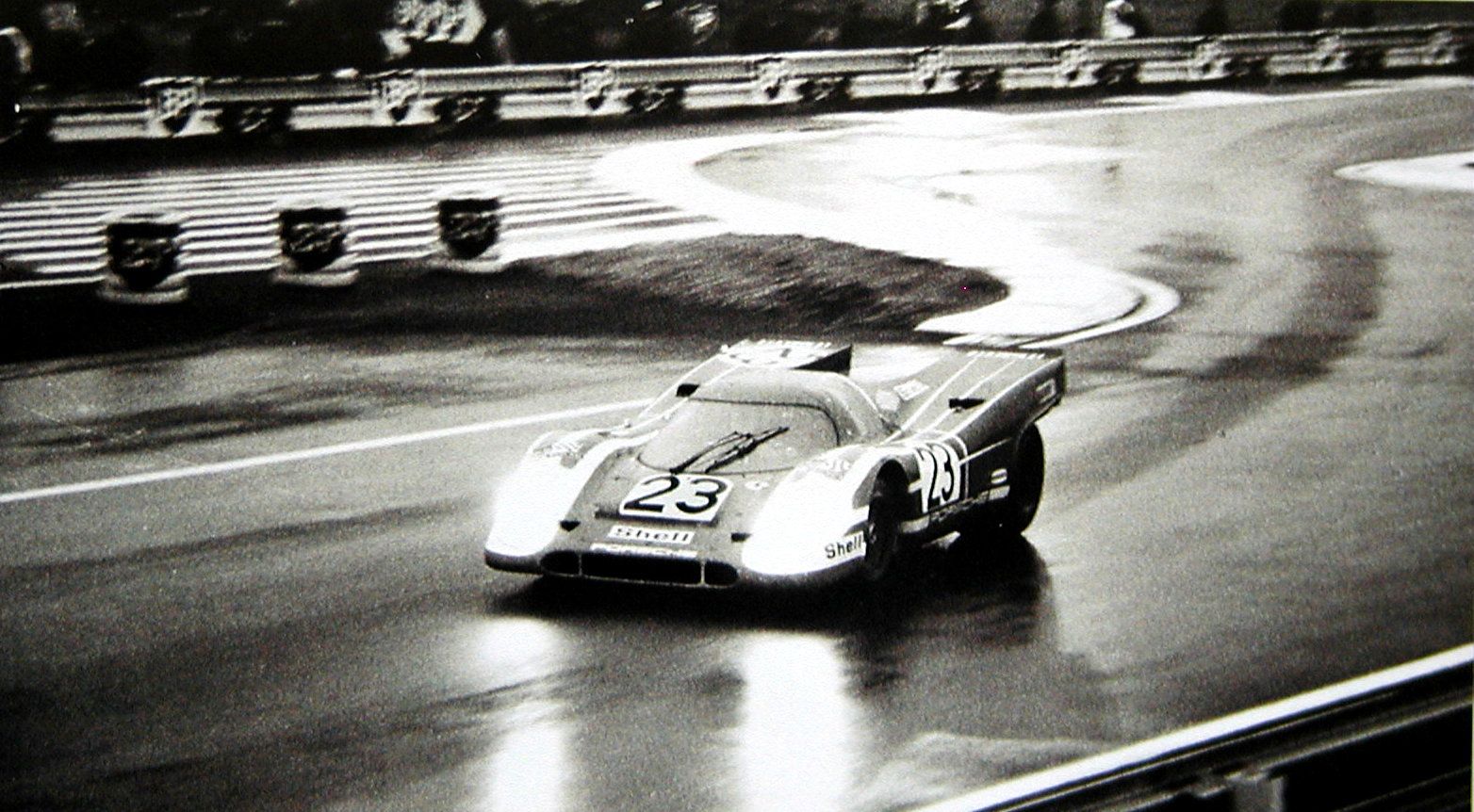
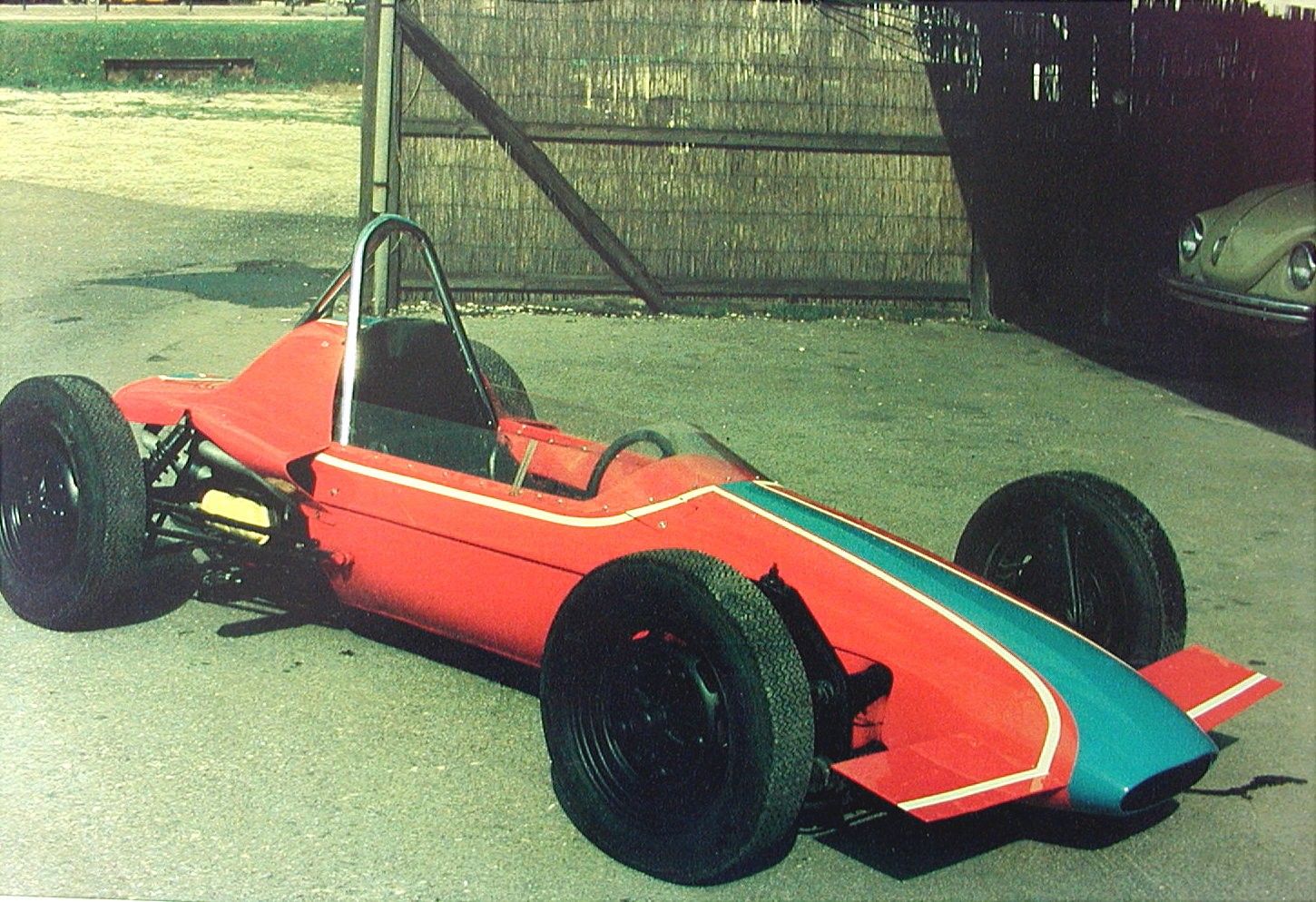
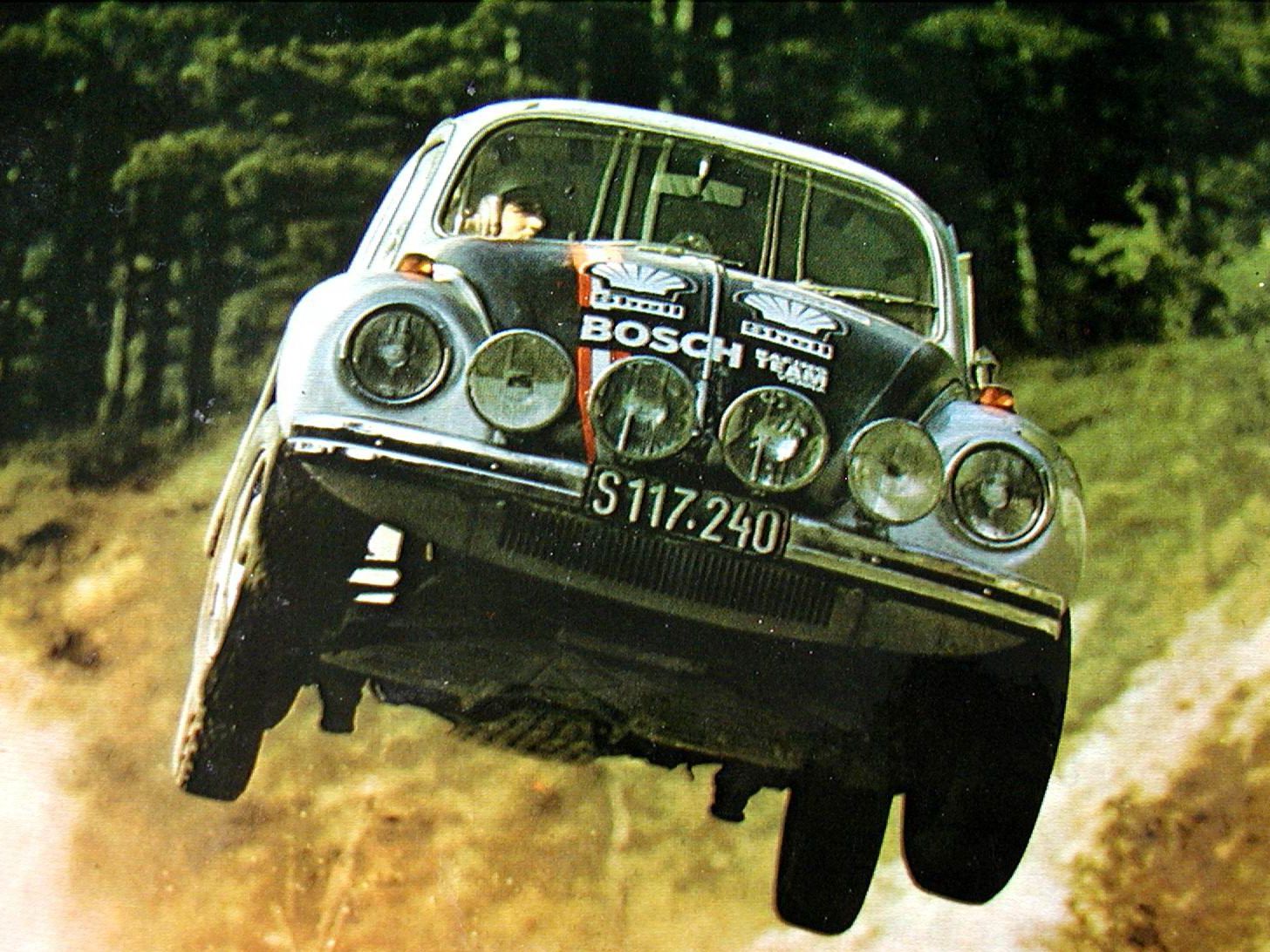
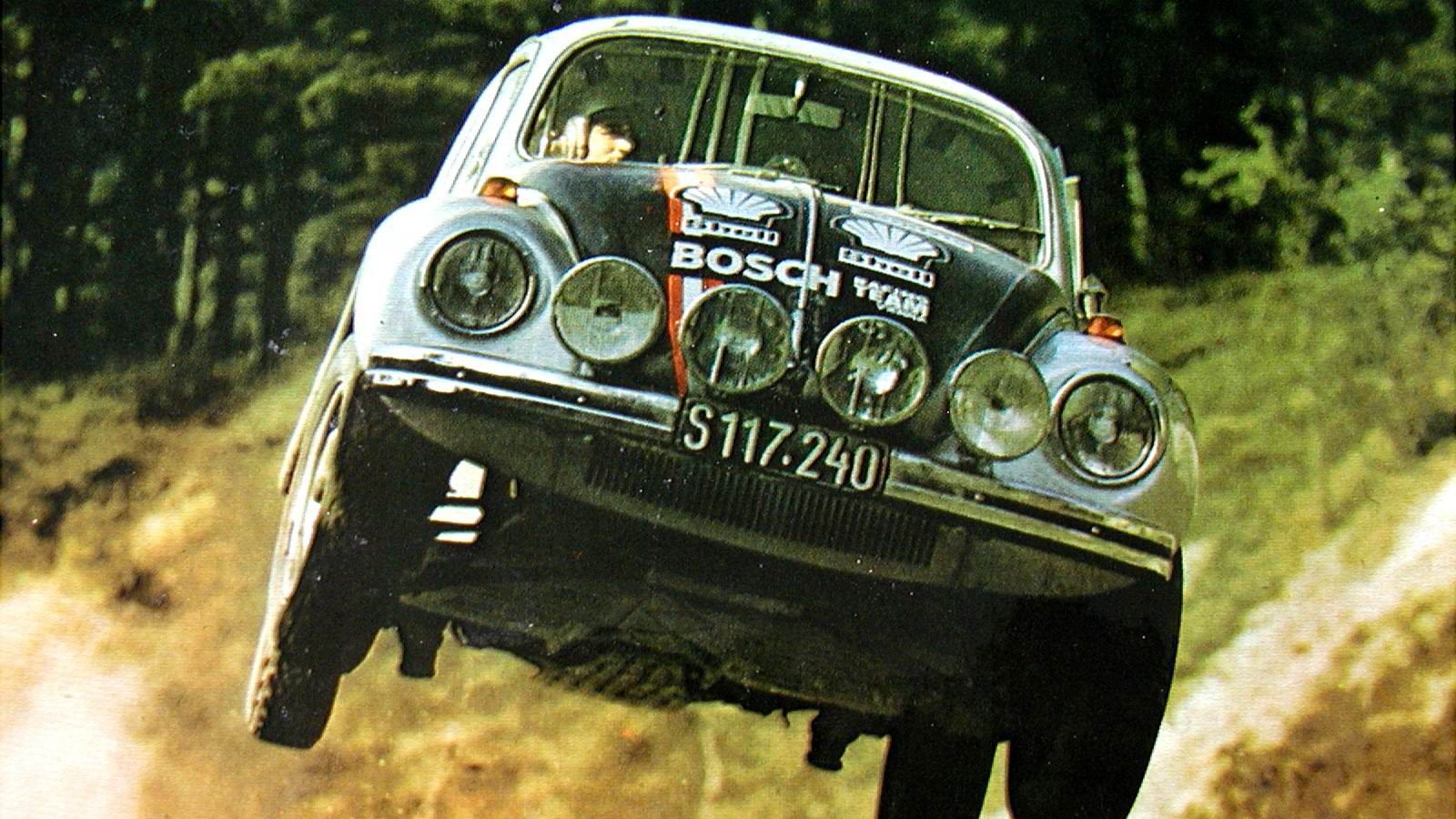
Once Louise Piëch gave the green light to the creation of a motorsport department at the Alpenstraße headquarters in 1965, Porsche Salzburg gradually became a major player on international circuits. Formula Vee sports cars were all the rage in the late 1960s with the later Austrian Formula 1 world champion Jochen Rindt and others. Porsche Salzburg triumphed in 1970 with the Porsche 917 at the legendary 24 Hours of Le Mans, achieving its first overall Le Mans victory for the Porsche brand, which became the most winning brand in history. The Beetle Rally also caused a sensation in the early 1970s, including its victory in the 1973 Elbe Rally.
1966
Innovation for Porsche Informatik
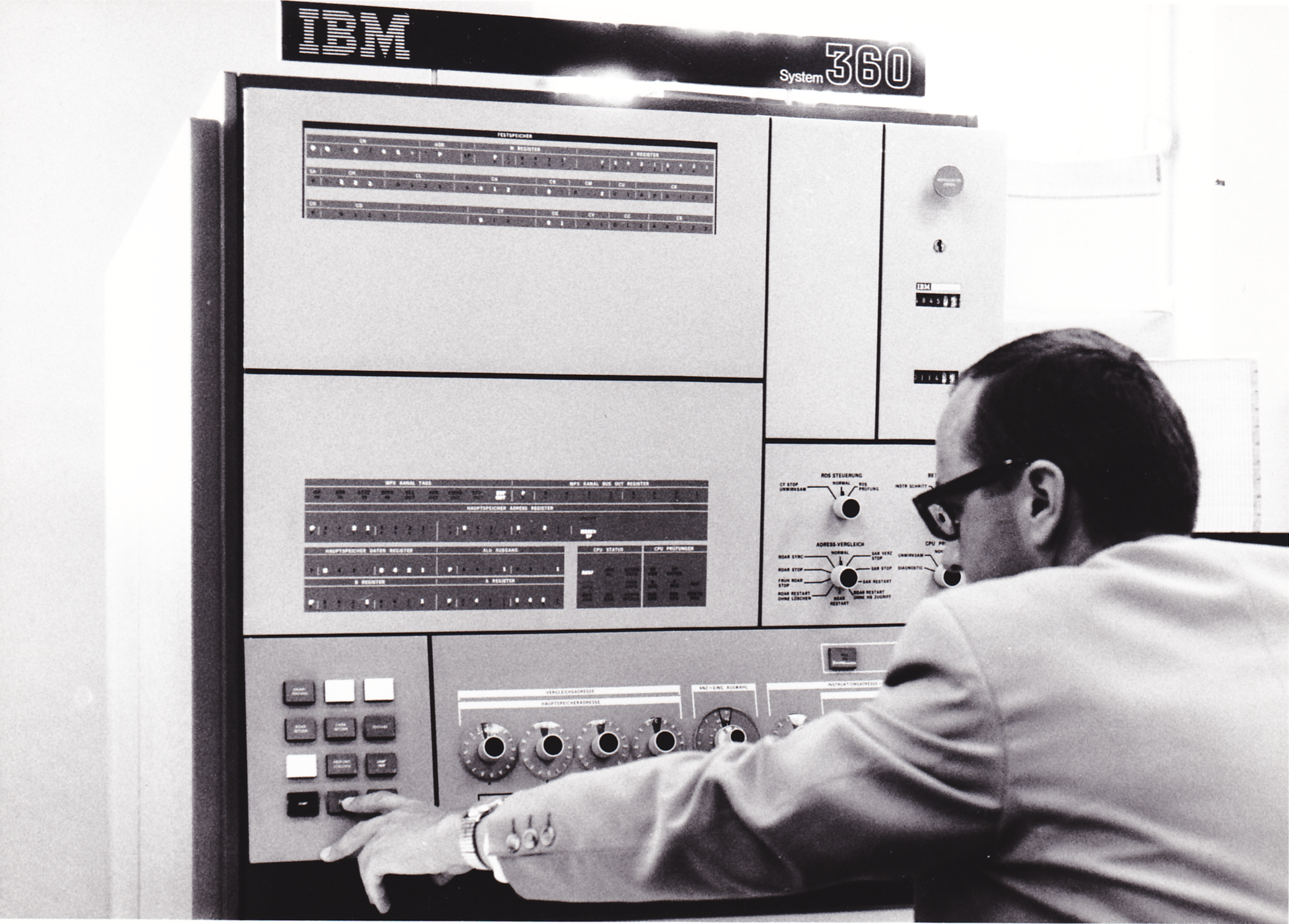
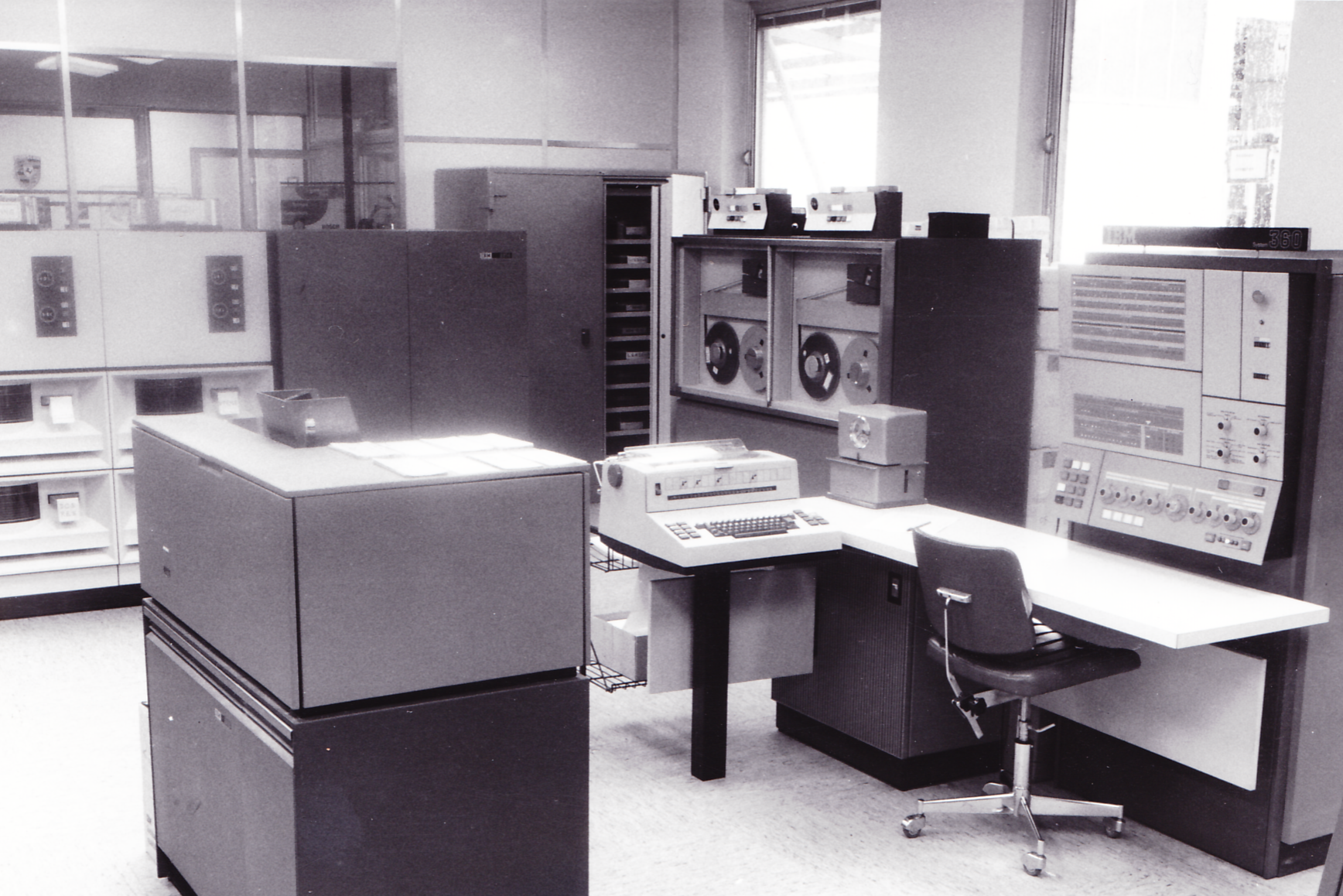
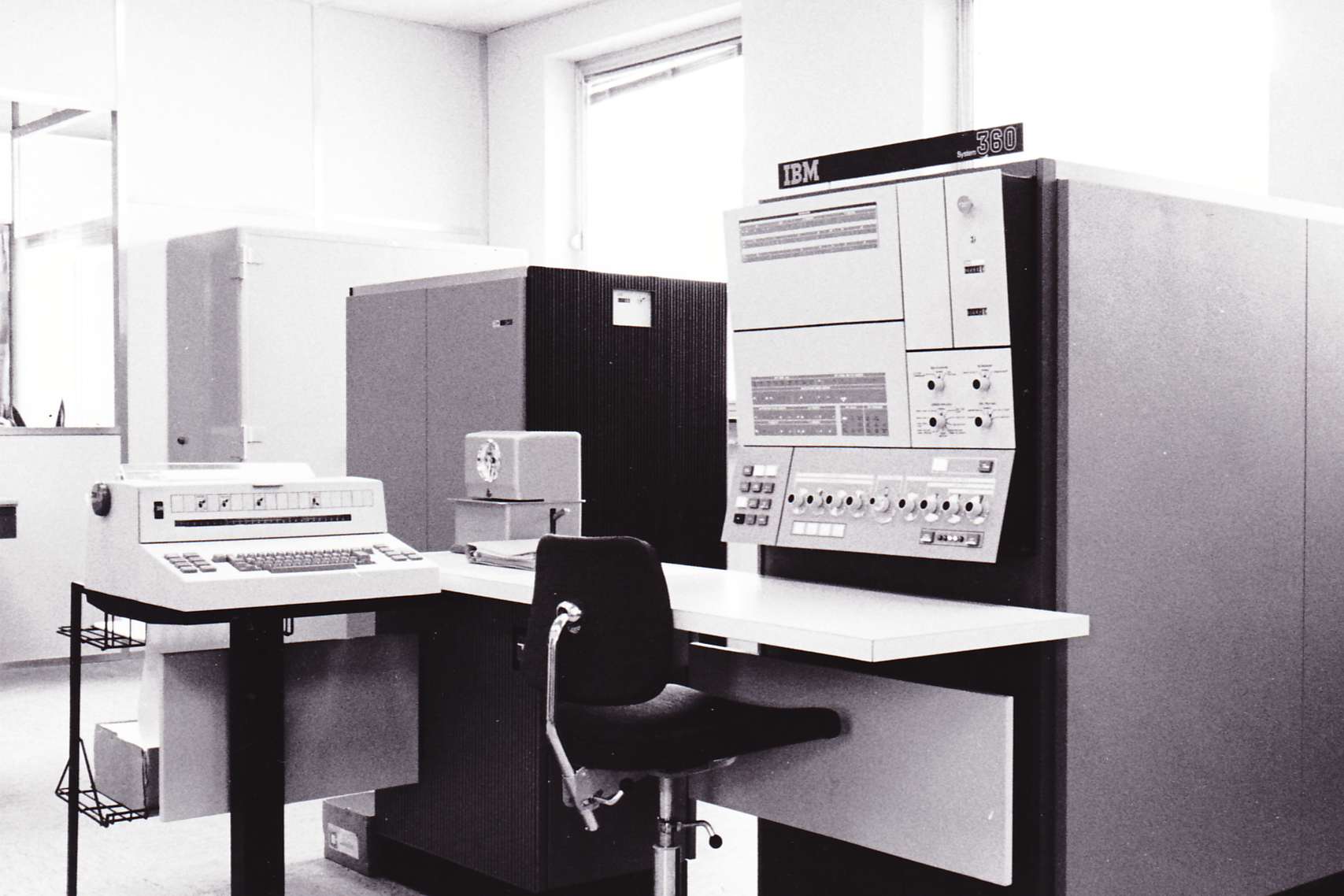
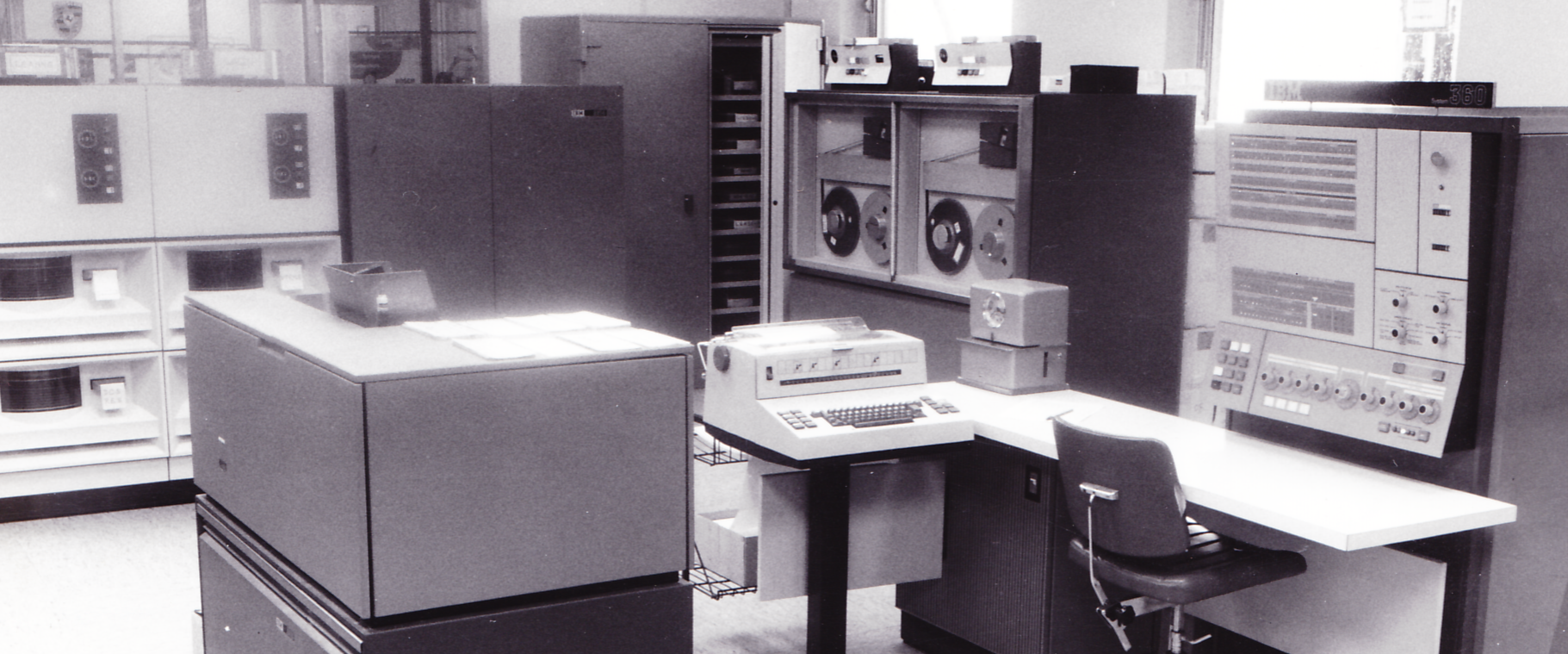
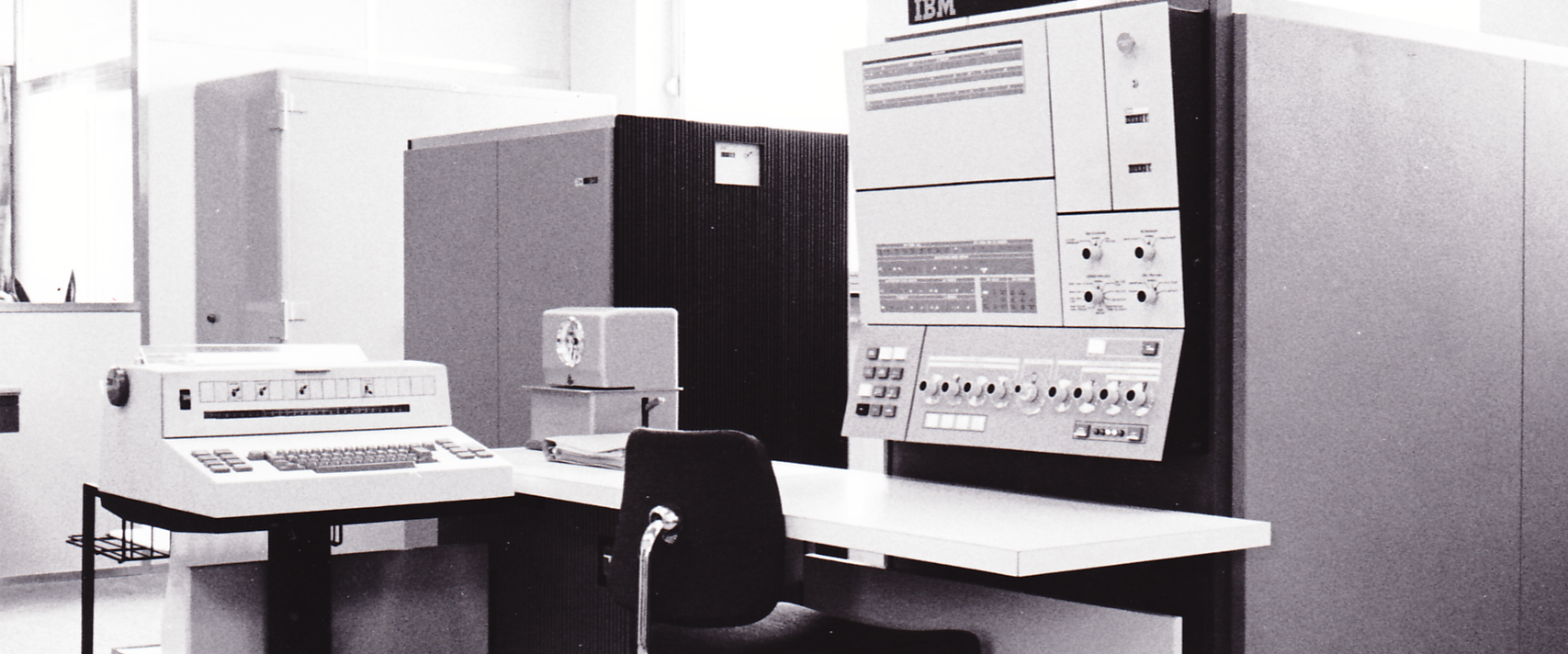
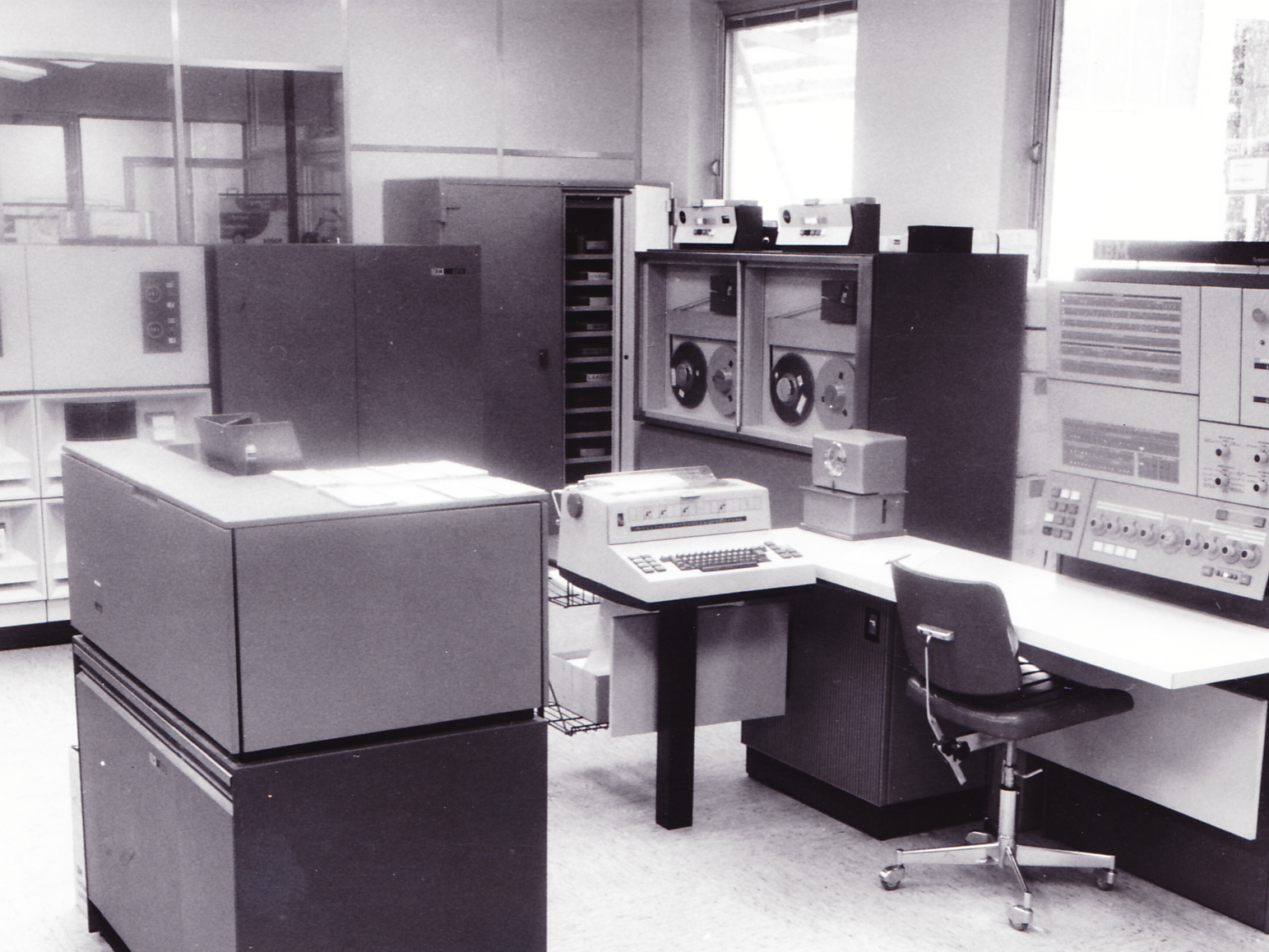
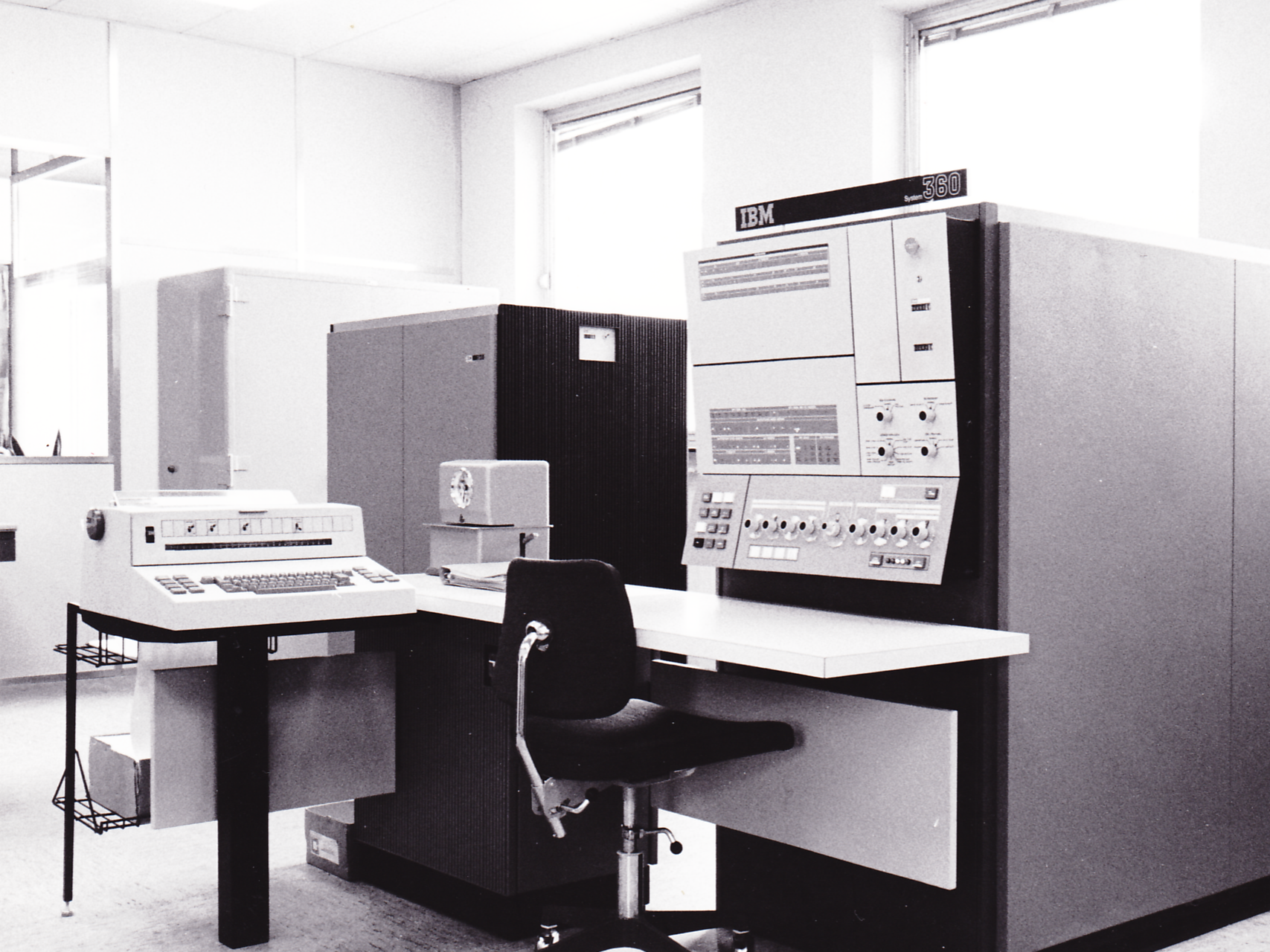
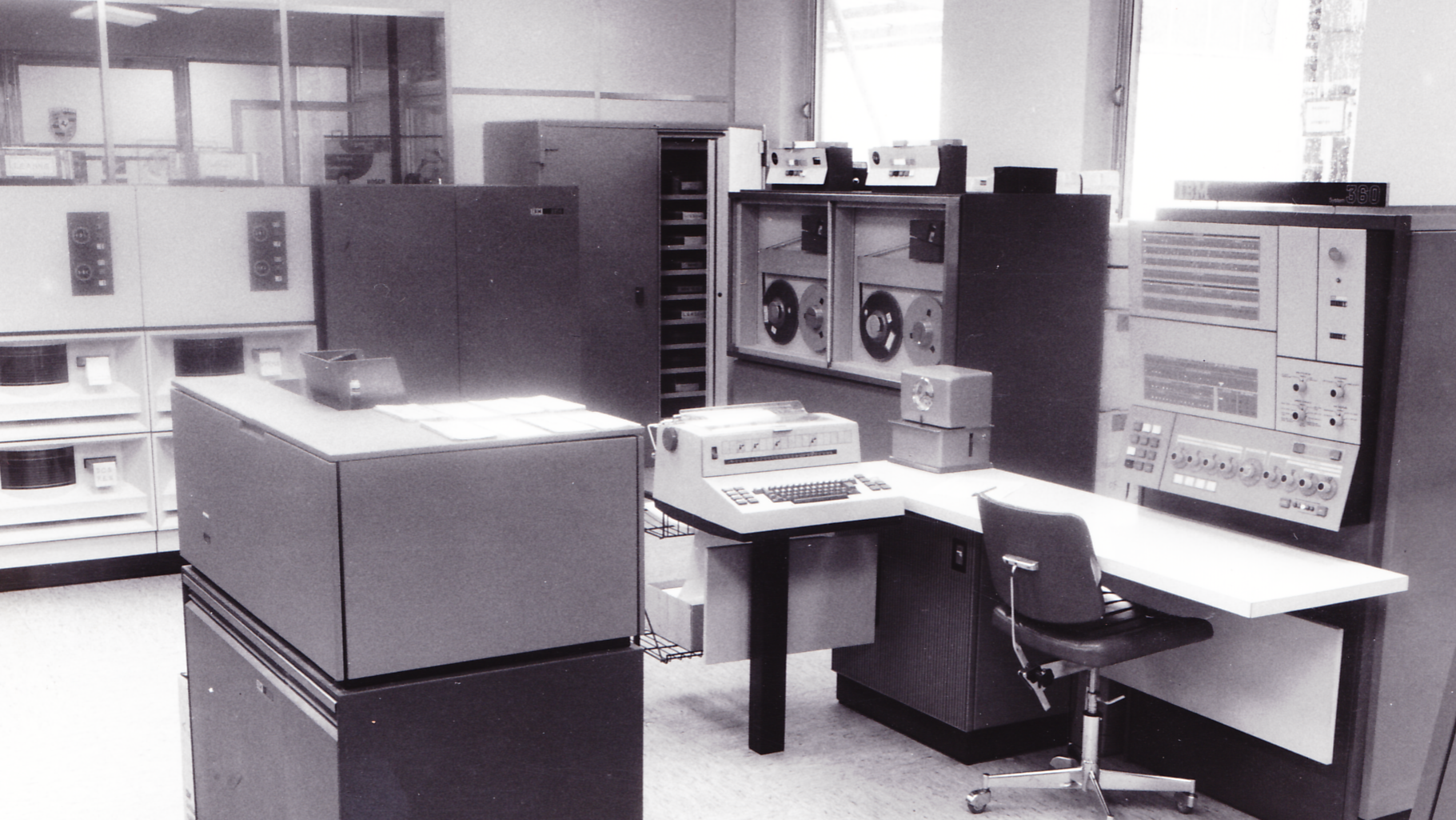
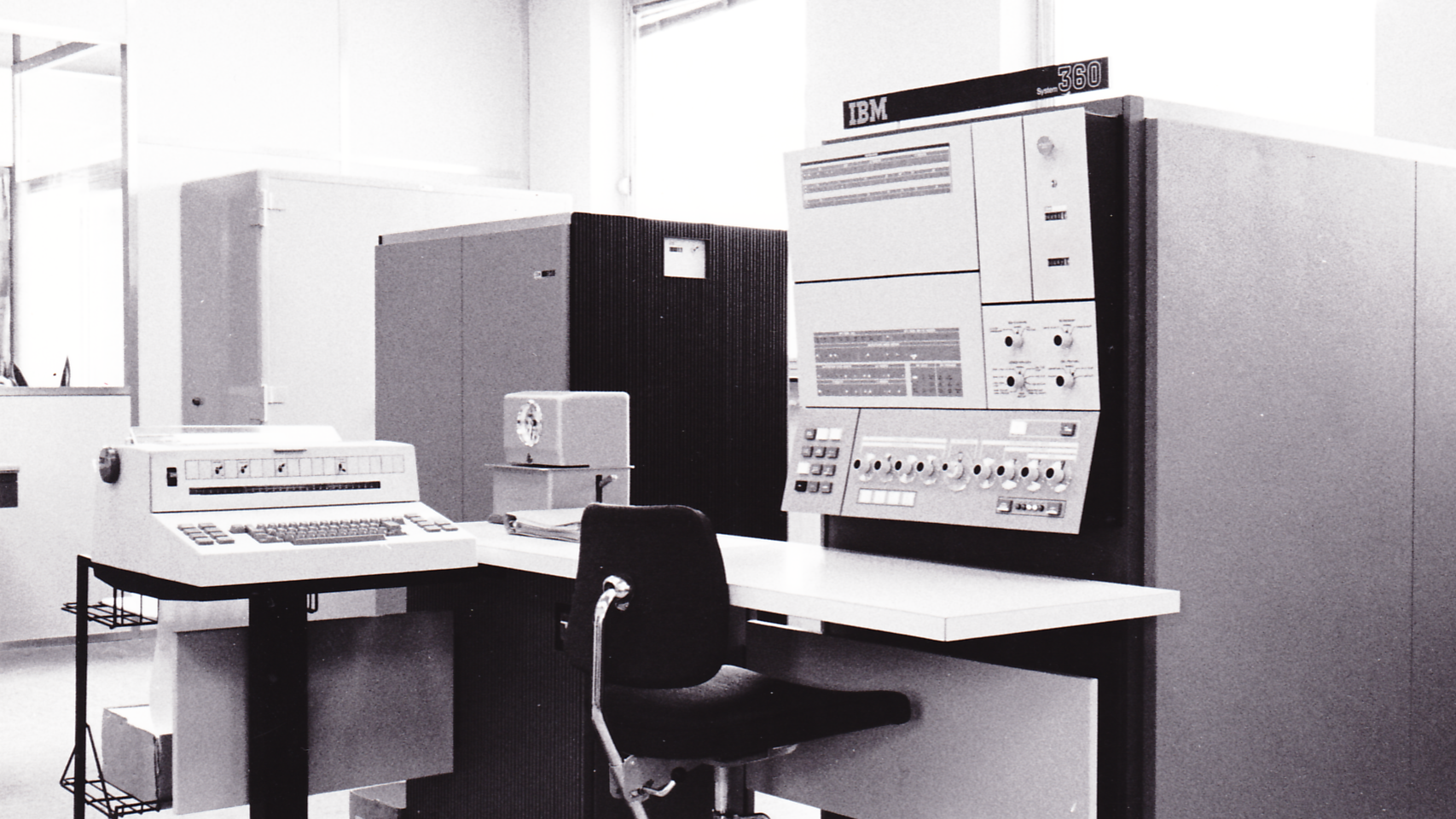
The development of electronic data processing at Porsche began in 1966 with the creation of an EDP department at Porsche KG. Following the installation of an EDP system (IBM 360/30), in 1967 control of the automobile business (accounting, inventory management and issuance of type certificates for all Volkswagens stored or sold in Austria) was assumed, followed by the spare parts business in 1968. Subsequently, other IT solutions were implemented: in 1969, for the management of lease contracts, and in 1970, for the payroll accounting of employees in Salzburg.
)