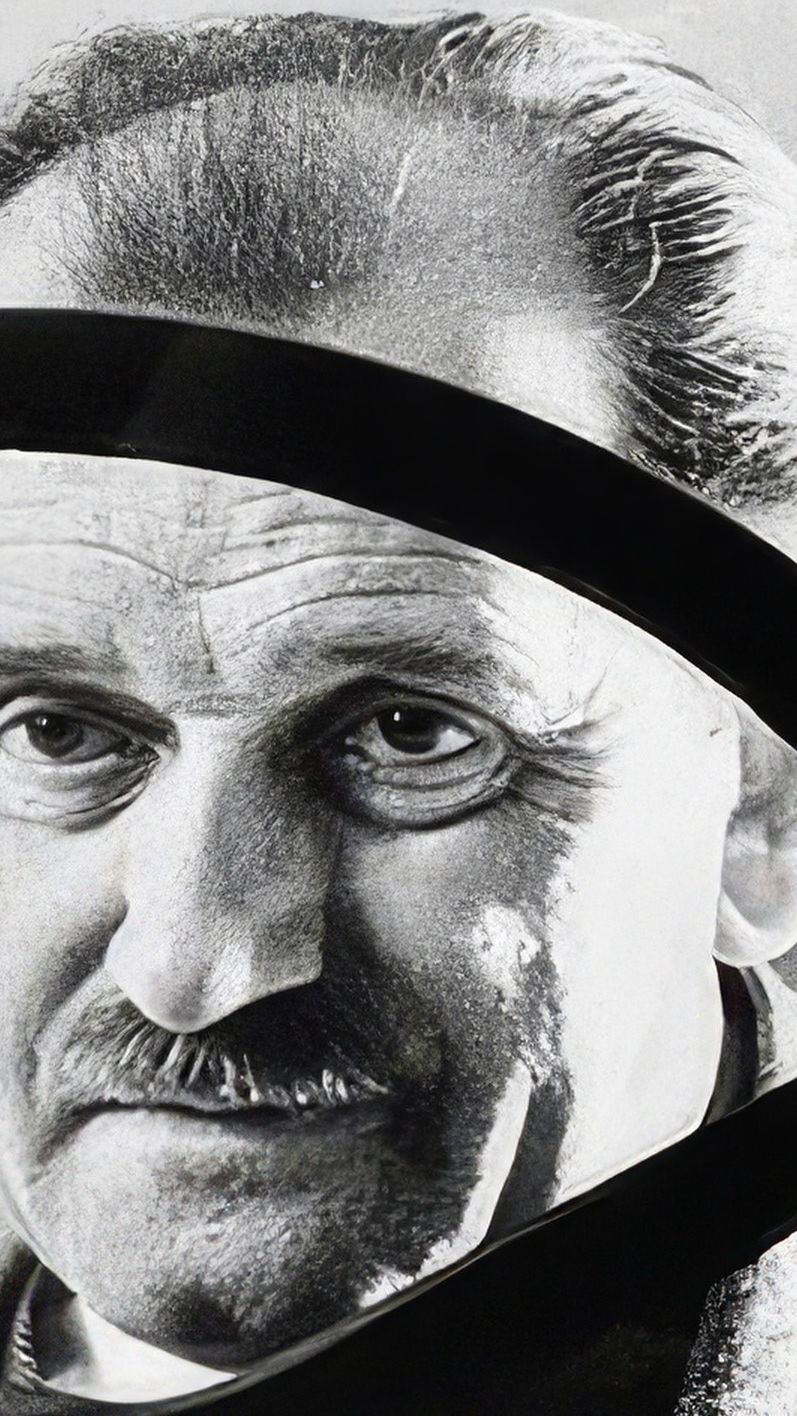
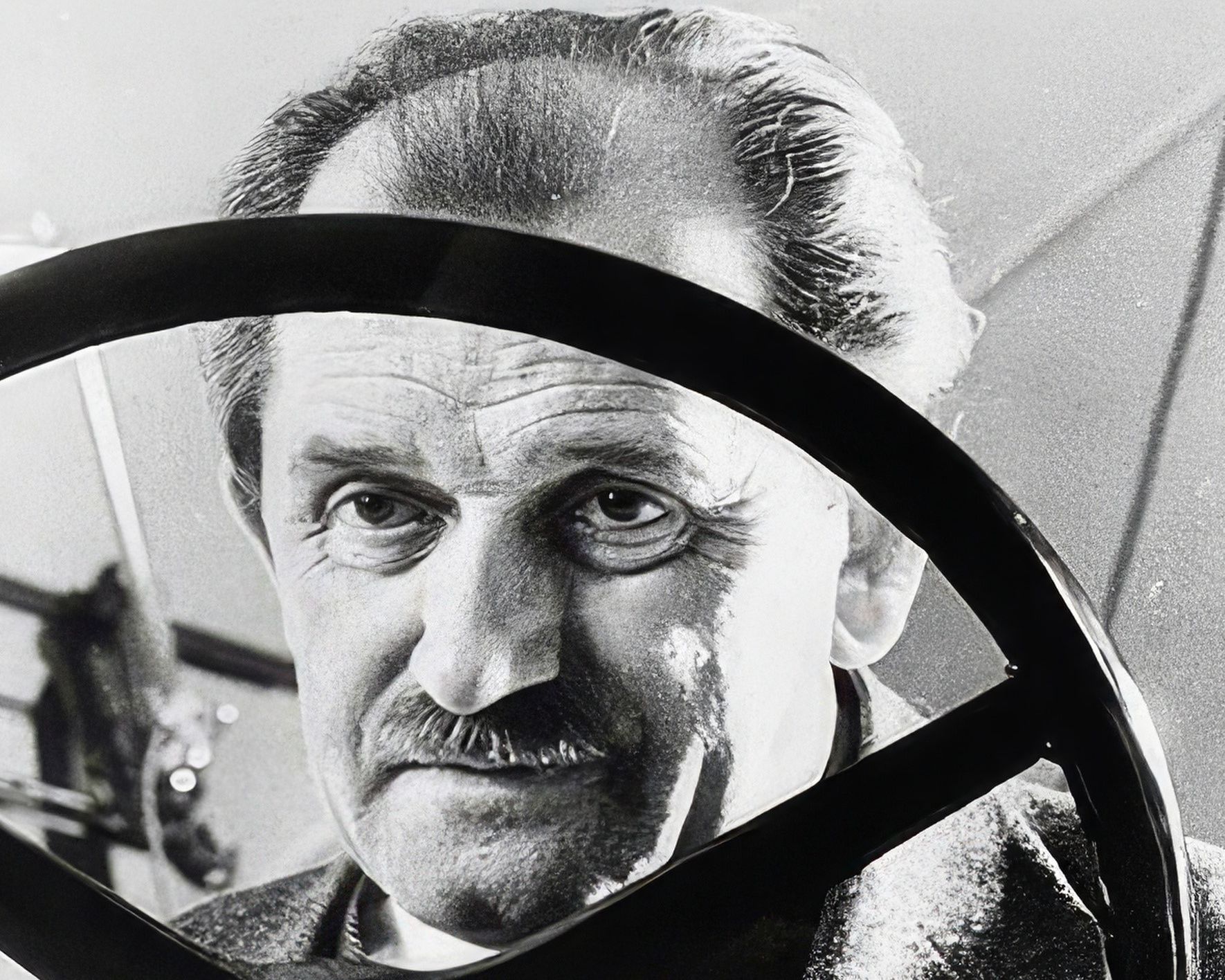
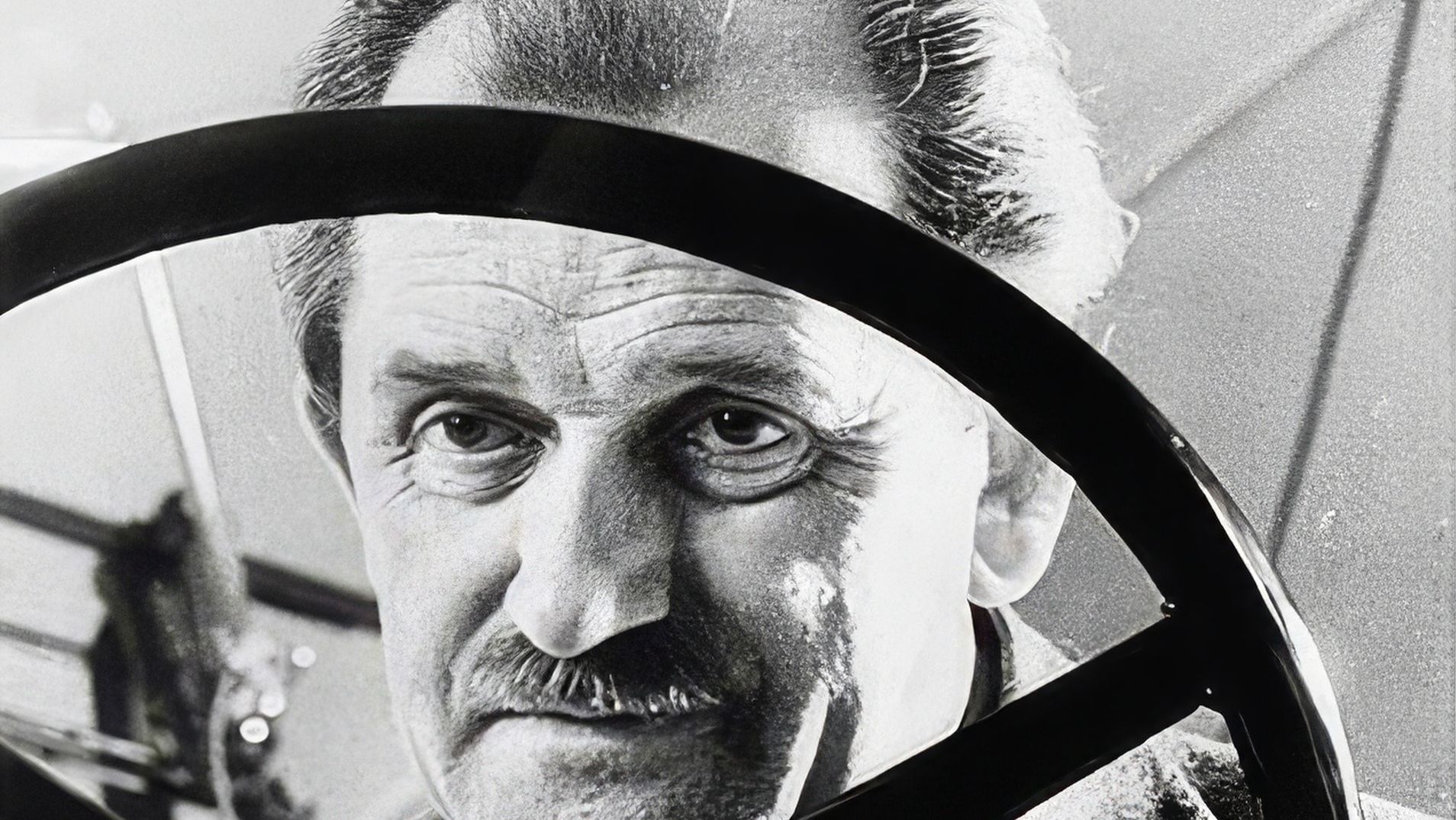
Ferdinand Porsche
1875 to 1945
From apprentice plumber to ingenious designer, Ferdinand Porsche transformed the automotive industry like few others. He invented the wheel hub engine and developed automobiles, trucks, airplane engines, and sports and racing cars for various companies. His masterpiece was the Volkswagen, which years later laid the foundations for his children's business success.
1875
Ferdinand Porsche was born in Bohemia
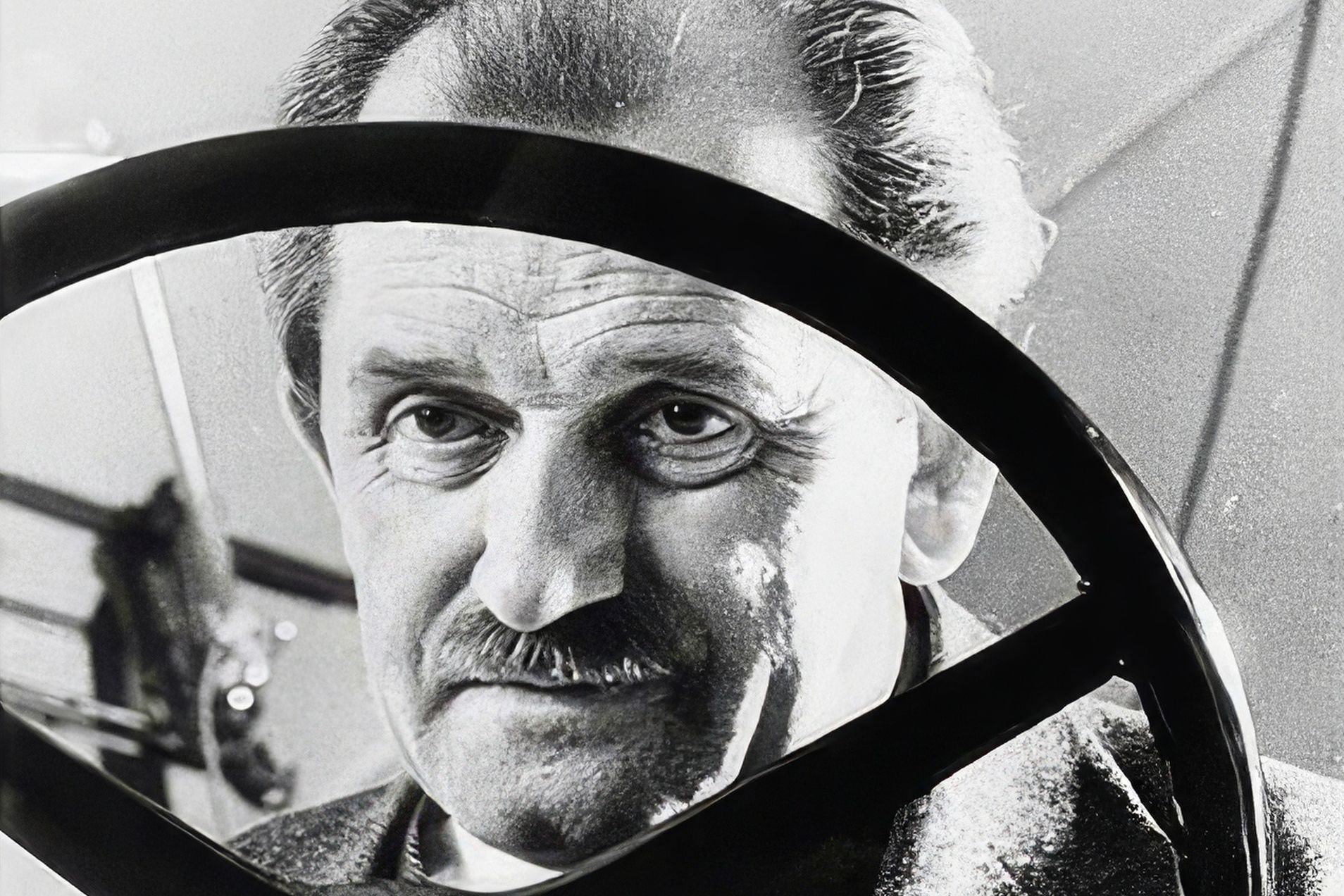
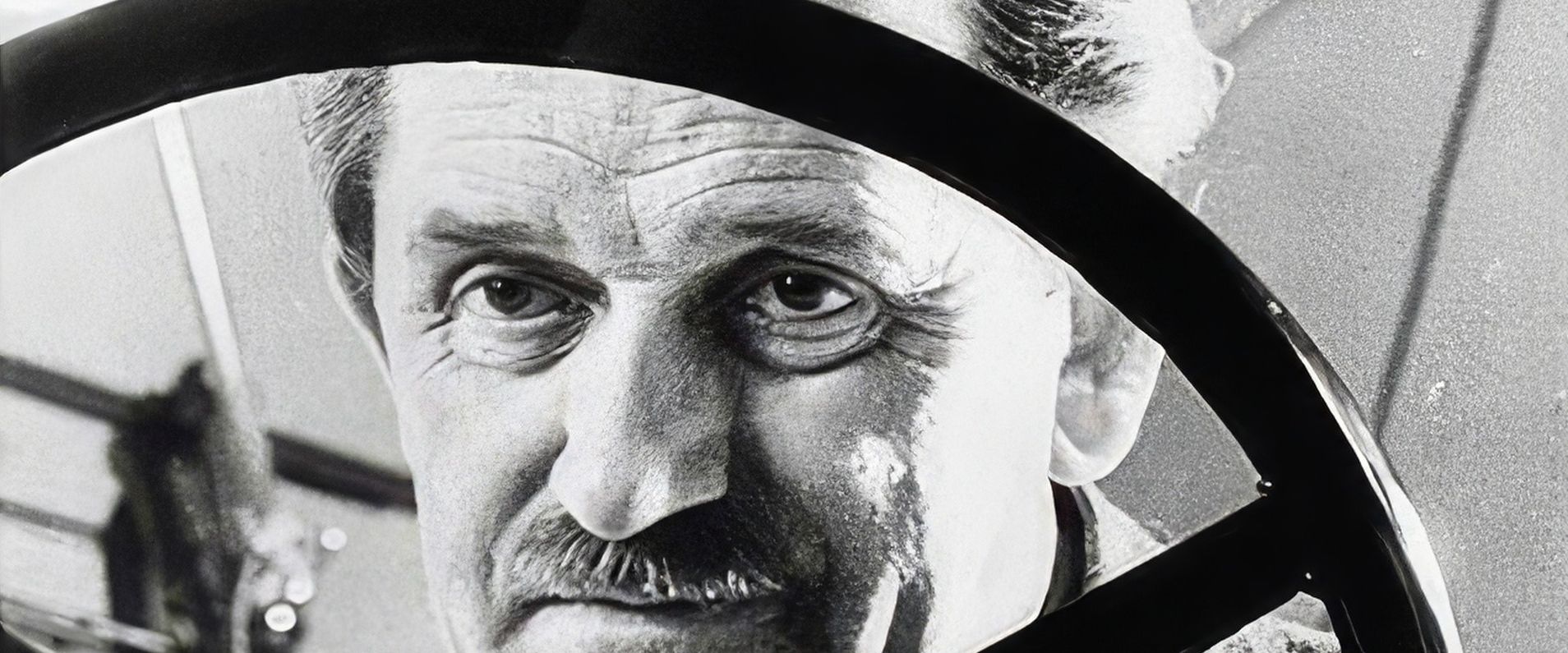
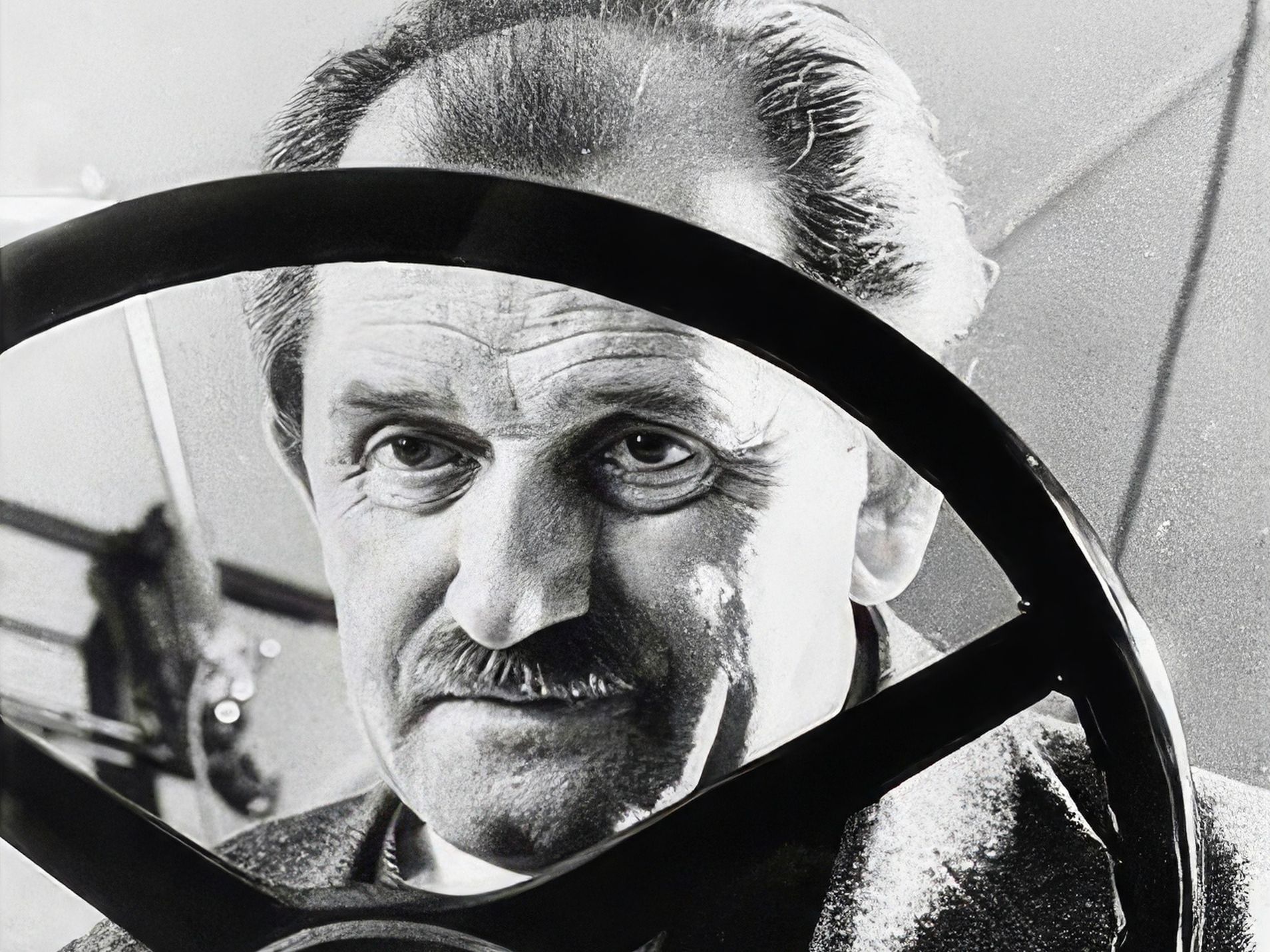
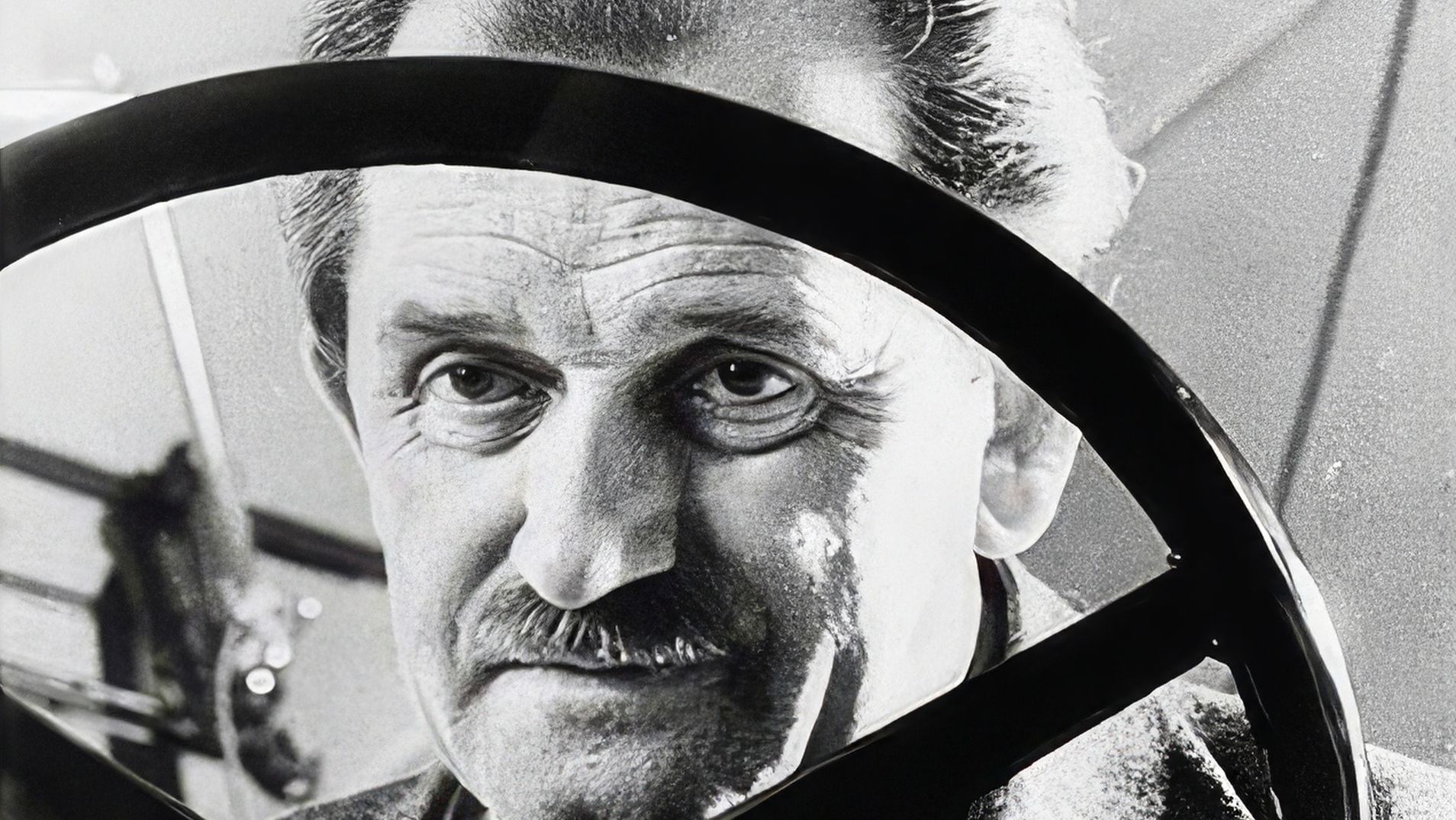
The origins of Porsche's history lie in Bohemia, where Ferdinand Porsche was born on 3 September 1875 in Maffersdorf, the third child of Anton Porsche and his wife Anna. When the automobile was invented, Ferdinand Porsche was eleven years old. He had a keen interest in electricity, and at the age of thirteen, he installed electric doorbells in his parents' house, and at sixteen, he added electric lighting.
1893
First steps in Vereinigte Elektrizitätswerke in Viena
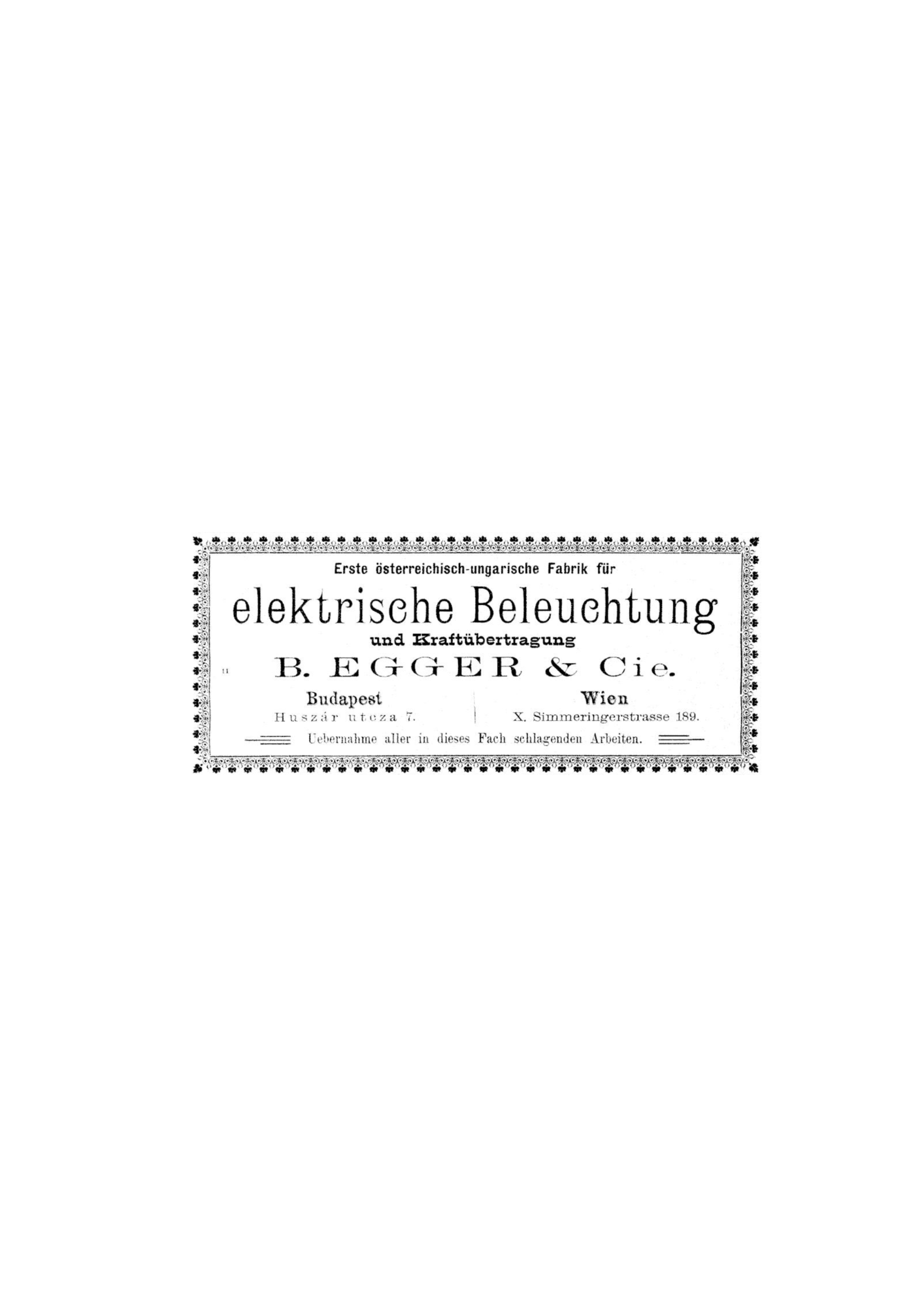
After his apprenticeship as a plumber in his father's business, in 1893 Ferdinand Porsche's skills and interest in technology led him to start his career at the Vereinigte Elektrizitätswerke of Bela Egger & Co in Vienna.
1900
The electric motor in the wheel hub and four-wheel drive were invented.
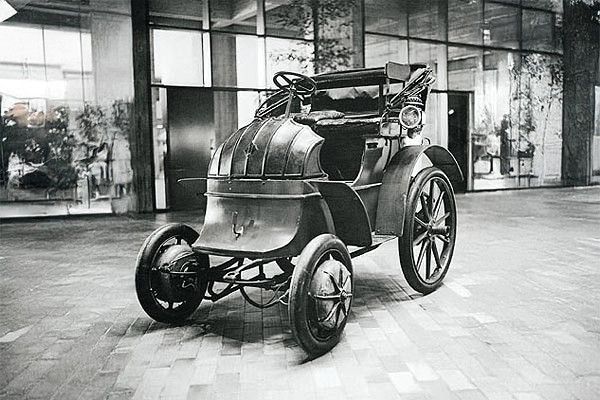
Shortly before the turn of the century, Ferdinand Porsche began working for Jacob Lohner, a supplier to the Austrian royal court. At the 1900 Paris World's Fair, he stunned the automotive world with the development of the electric motor integrated into the wheel hub. He introduced a vehicle that could be propelled by its four wheels: the world's first four-wheel-drive car. This construction principle was applied 70 years later in the design of NASA's lunar rover. The world's first hybrid car, the 1901 Lohner-Porsche Mixte, with a petrol and electric engine, was also designed by Ferdinand Porsche.
1904
Nace Louise Porsche
Ferdinand Porsche married Aloisia in 1903 and became a father for the first time a year later, when their daughter Louise was born in 1904.
)
1906
The switch to Austro Daimler
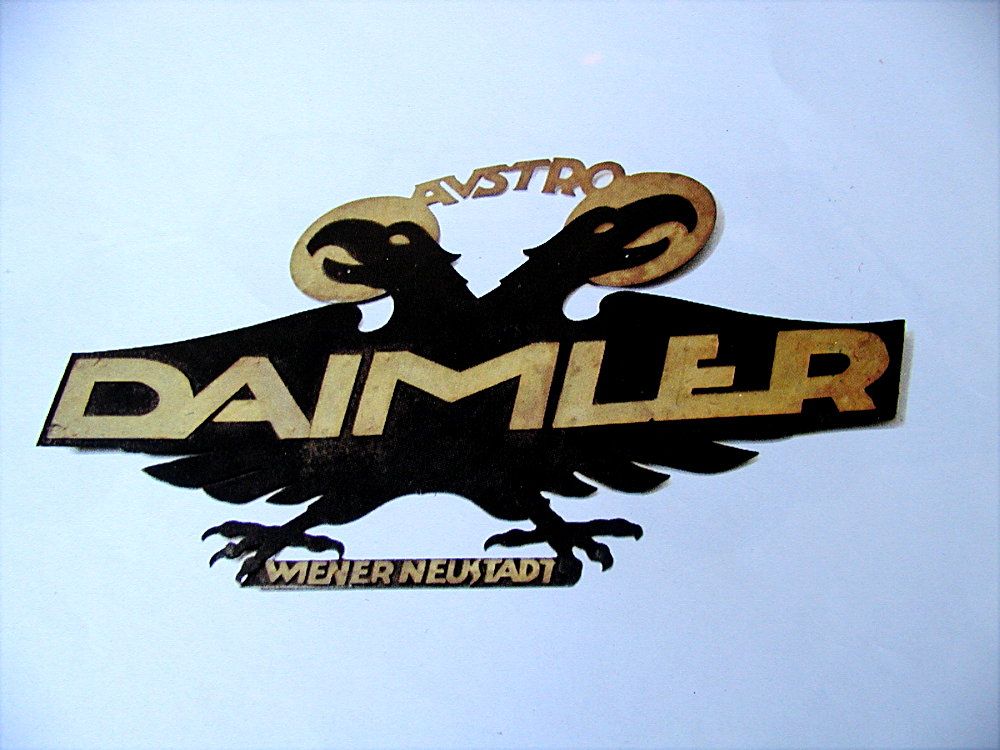
In 1906, Ferdinand Porsche left Lohner to join the large Austrian industrial company Austro Daimler in Wiener Neustadt.
1909
Ferry Porsche is born
Ferdinand Porsche's second child came three years after his daughter Louise, with the birth of his son Ferry.
1910
Victory in the Tour of Prince Harry and an honorary doctorate.
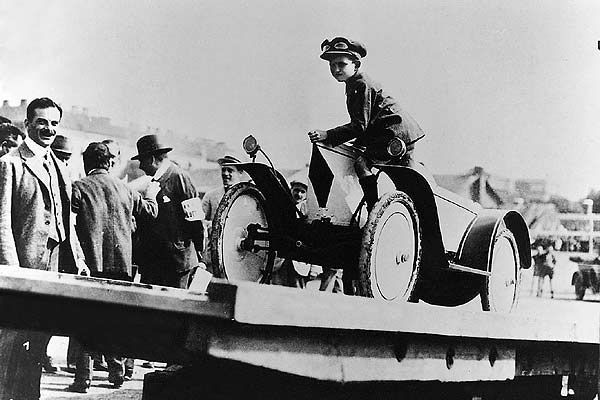
Ferdinand Porsche worked for Austro Daimler for 17 years, many of them as managing director. He developed the first high-performance, aerodynamically designed sedans, and won the famous Prince Henry Tour in 1910 behind the wheel. Ferdinand Porsche also built trucks and the Landwehr train for the Imperial Army, designed to run on both road and rail. This ingenious design engineer also developed aircraft engines, for which he received an honorary doctorate from the Technical University of Vienna.
)
)
)
)
1922
Victory at the Targa Florio
After the First World War, Ferdinand Porsche built the first two-seater sports car, the "Sascha". In his first race, he won the famous Targa Florio in Sicily in his category, even beating competitors with larger displacement engines.
)
1923
The switch to Daimler in Stuttgart
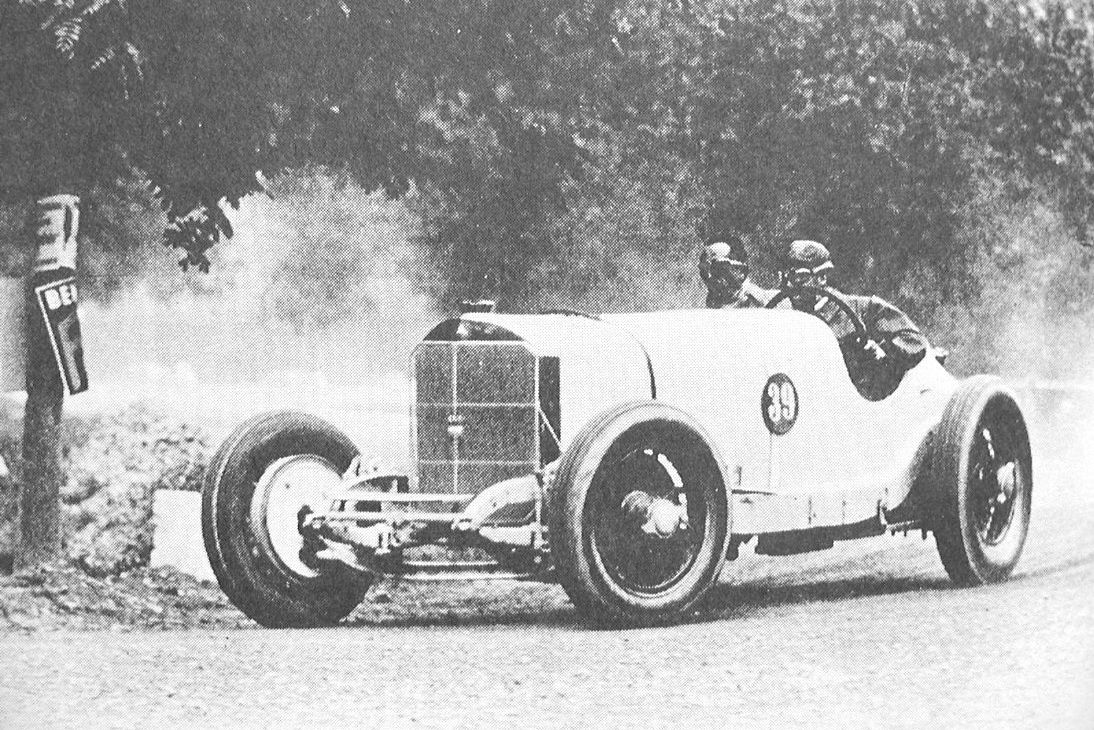
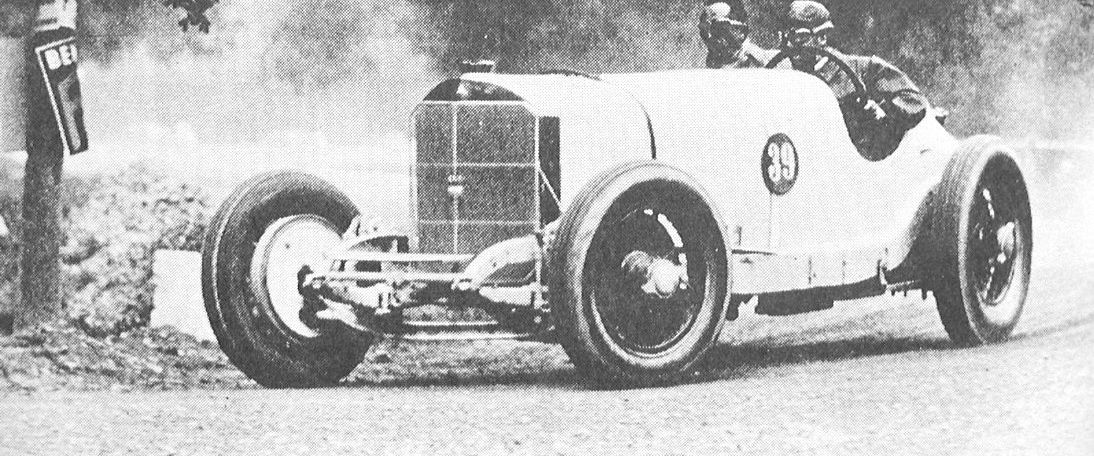
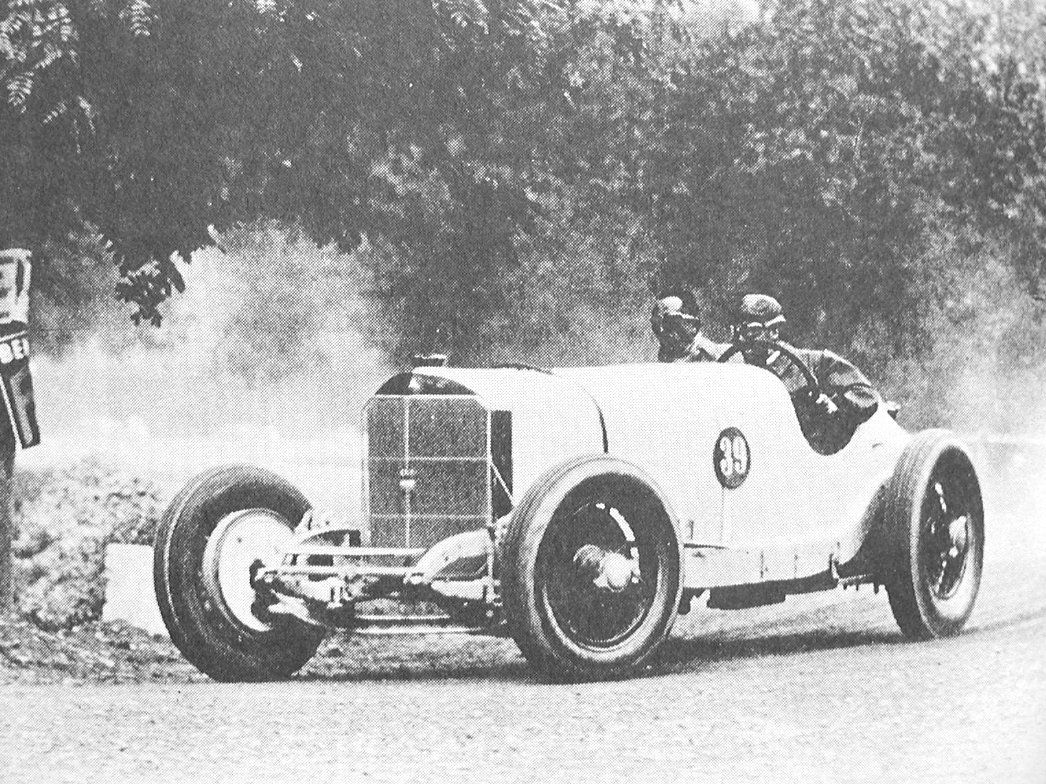
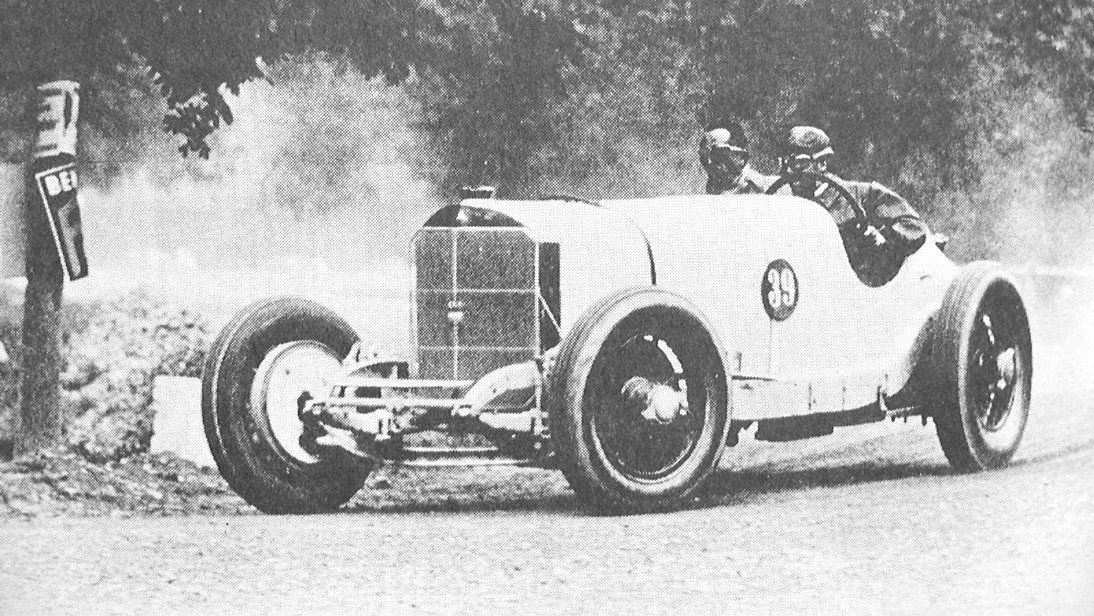
In 1923, Ferdinand Porsche moved to Stuttgart to become Technical Director of Daimler, where he took responsibility for the development of the famous S, SS and SSK models (Sport, Super Sport and Super Sport Kurz), while also helping to develop engines for trucks and aircraft.
1931
He takes his first steps as a freelancer after spending time in Austria.
After his contract with Daimler ended, Ferdinand Porsche returned to his native Austria and worked as managing director at Steyr. In 1931, he founded his own company in Stuttgart. Its design office, Porsche Design Office, was dedicated to the development of all kinds of technical devices, such as wind turbines and other types of turbines, as well as engines and new vehicle prototypes for Wanderer and Zündapp.
)
1933
16-cylinder racing model for Auto-Union
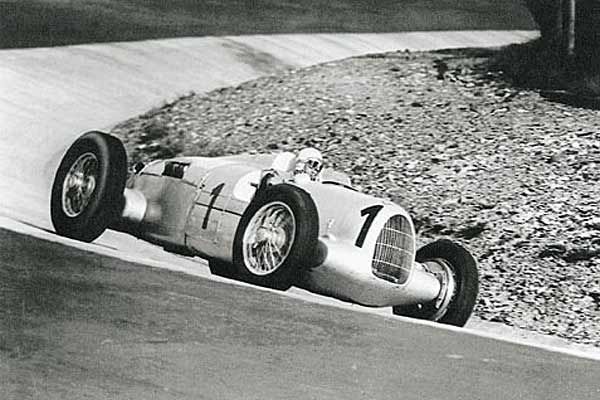
In 1933, Ferdinand Porsche designed the famous 16-cylinder Auto Union sports car for the newly formed Auto-Union (starting with Audi, Horch, Wanderer and DKW). This car was a precursor to the design principles of today's Formula 1, and one of the most successful racing models of its time.
1934
Volkswagen is born
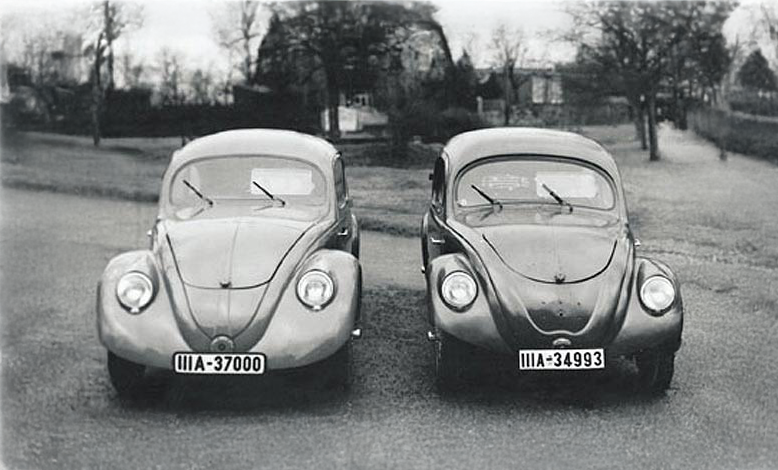
However, Ferdinand Porsche's most famous design was the Volkswagen. On June 22, 1934, the GDR (Association of the Automotive Industry of the German Reich) commissioned him to develop a vehicle that, years later, would become one of the best-selling models in the world: the Volkswagen Beetle, and which would be key to Porsche's success. The first prototypes were built by the Porsche engineering team in their own garage in Porsche's villa in Stuttgart. His son Ferry was in charge of the test drives, but the most important tests did not begin until 1936 under the supervision of the GDR.
1938
From Volkswagen to the "KdF" model and the war economy.
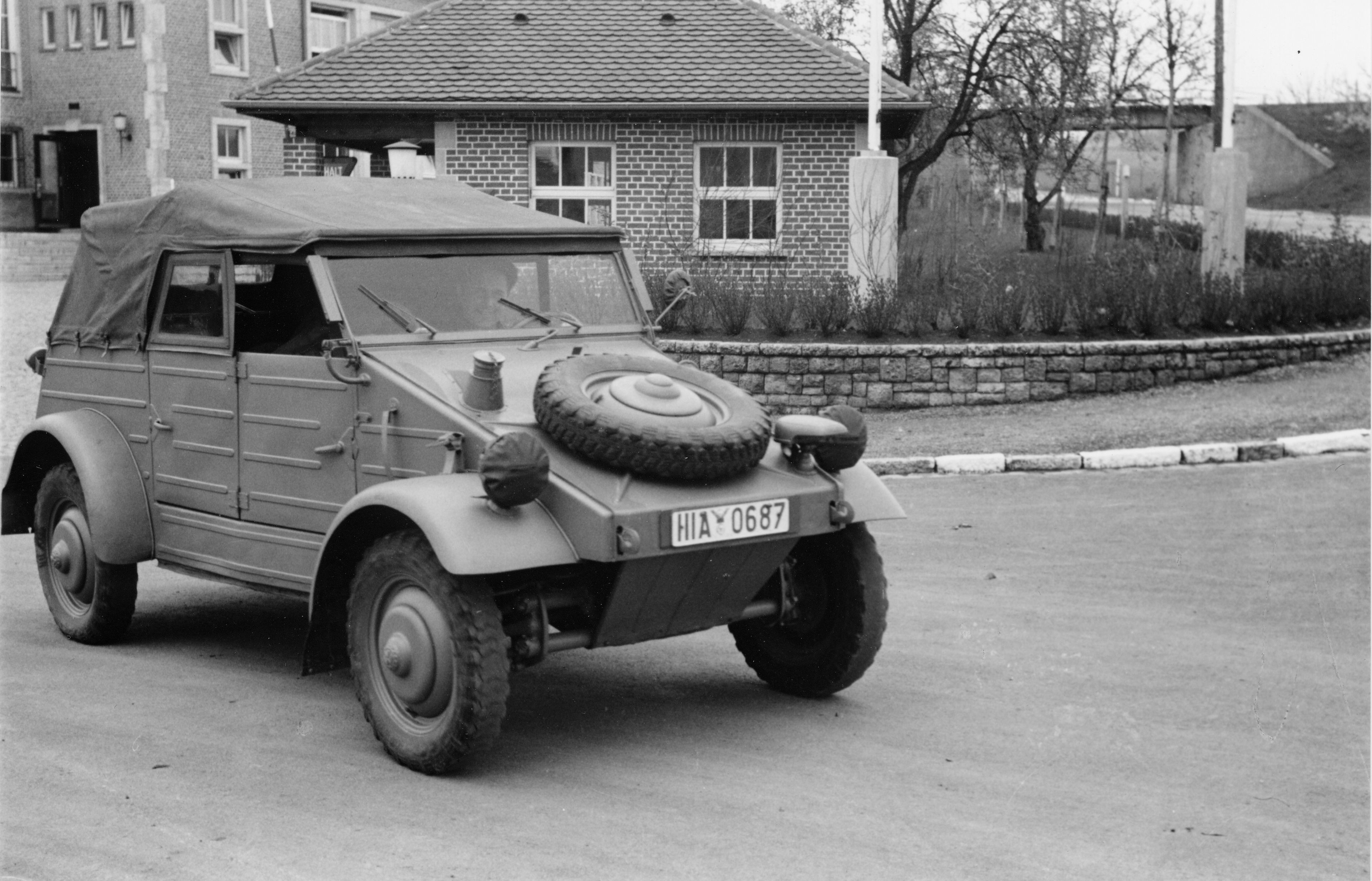
Following the appointment of Ferdinand Porsche by the German Reich government as Director General of Technology and Planning in 1937, in preparation for the Volkswagen ("people's car"), the foundation stone of the Volkswagen factory was laid on 26 May 1938. Thus, the Volkswagen became the "KdF (Kraft-durch-Freude, or "Strength through Pleasure") car. However, with the outbreak of World War II, the company turned to war needs: instead of a popular car for the common citizen, the Wolfsburg assembly line produced military vehicles such as the amphibious "Schwimmwagen" and the so-called "Kübelwagen" (or "cube car"). The design studios of Porsche Konstruktionen GesmbH in Stuttgart were filled with tank designs instead of racing vehicles.
)
)
)
)
)
)
)
)
)